Your restoration project, made viable and guaranteed.
Land analysis, cost model, design, planting, guaranteed results.
Trusted by



In restoration, the numbers rarely add up.
Cost and risk are fixed before anyone reads the land.
Cost
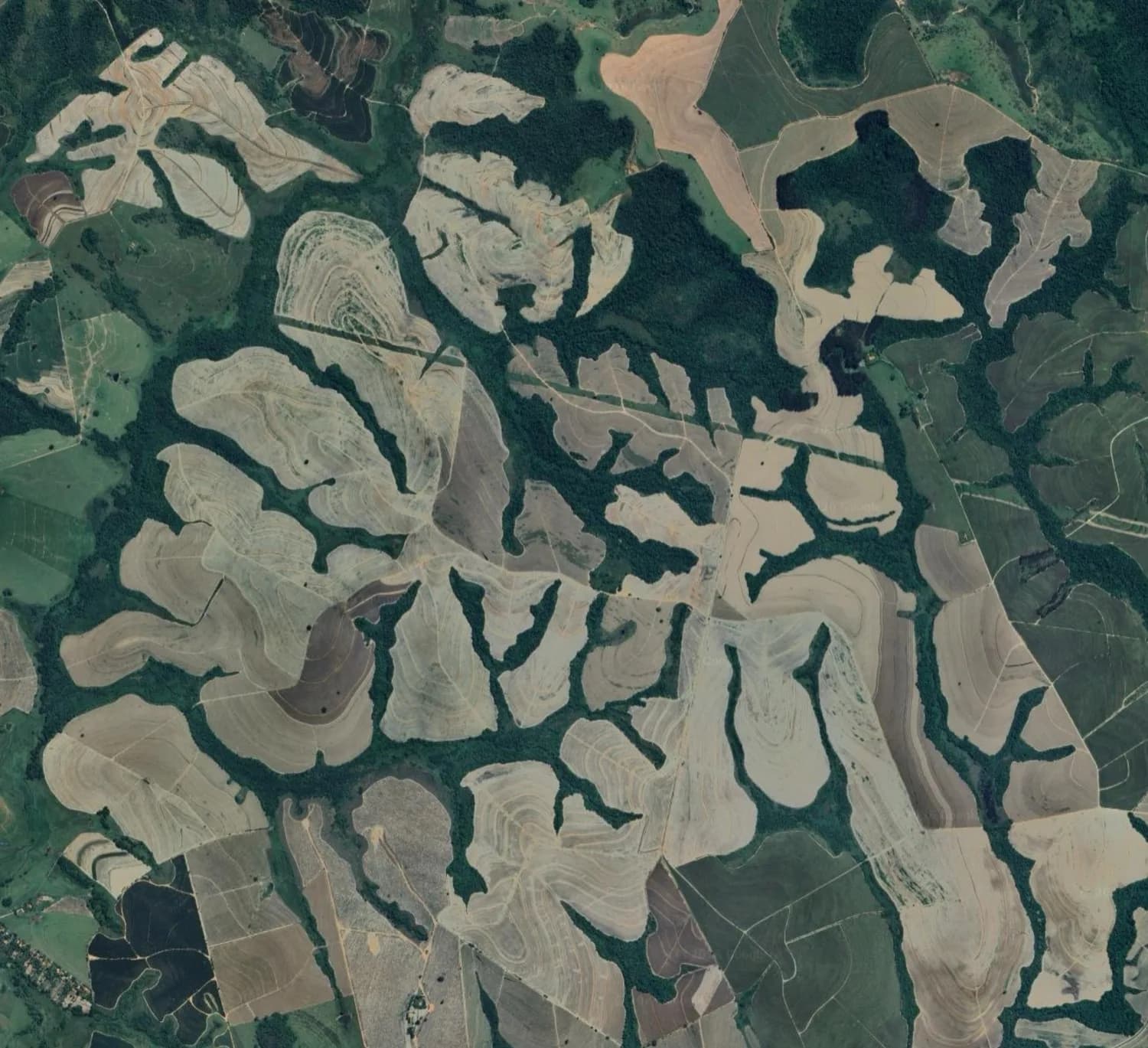
Traditional methods, applied uniformly across the whole area, push costs up and returns down.
Risk
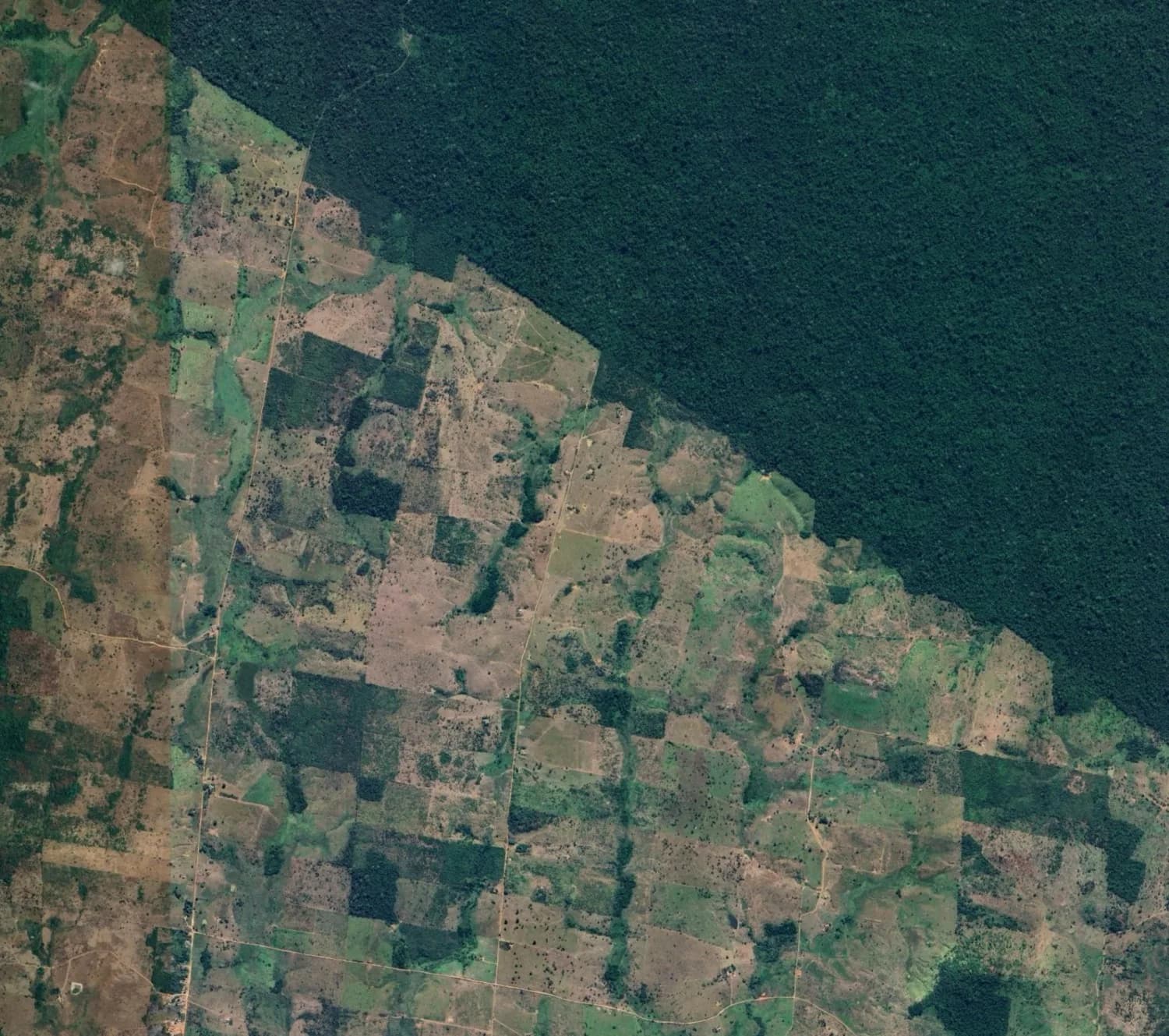
Climate risk and uncertainty on the outcome make it hard to commit capital, or to price the risk at all.
Rework
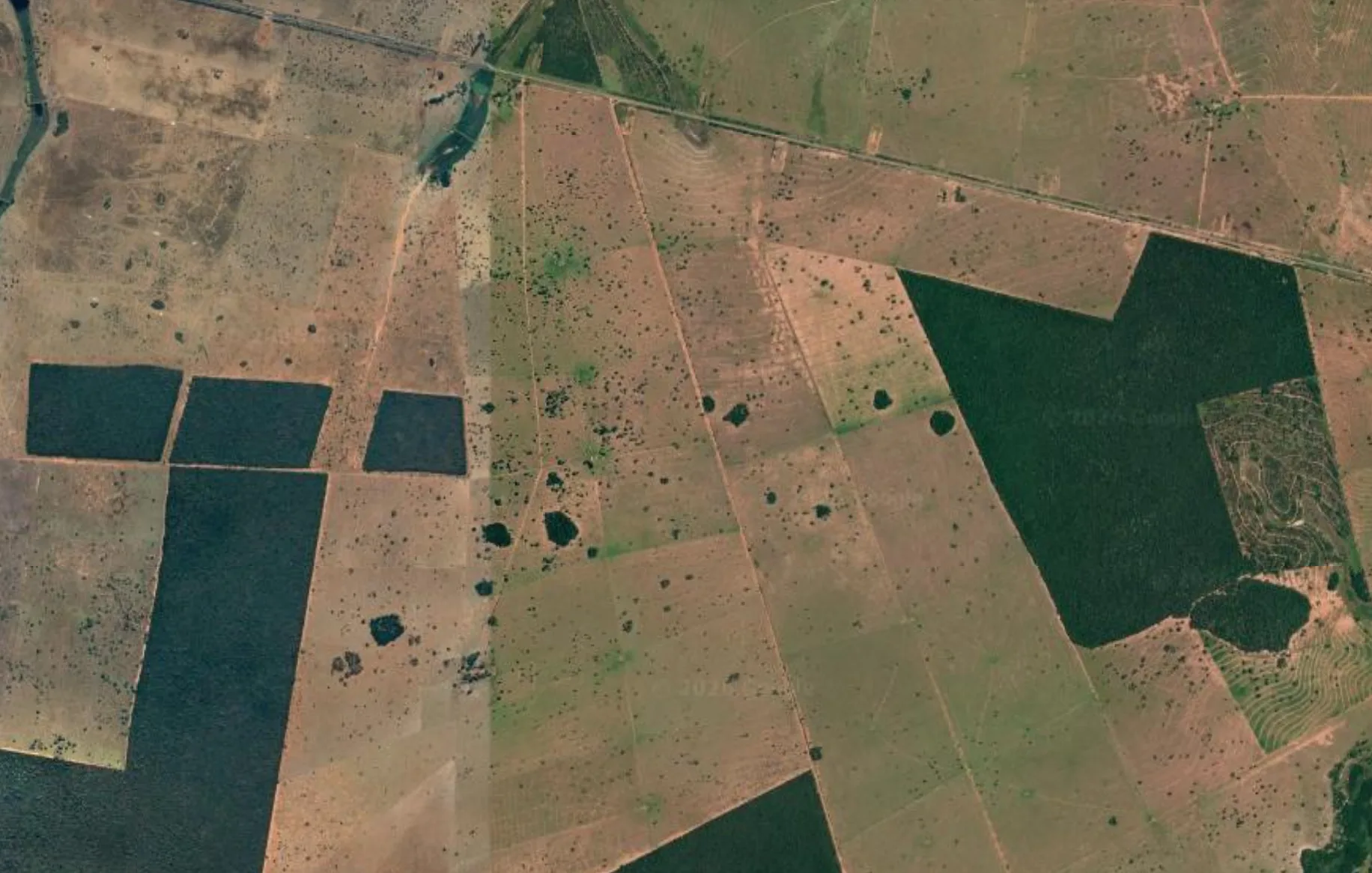
When a planting underperforms and has to be redone, that cost lands on the project.
So the land that could be restored stays degraded.
Get your project financed, delivered and guaranteed.
MORFO is the missing link between capital and nature.
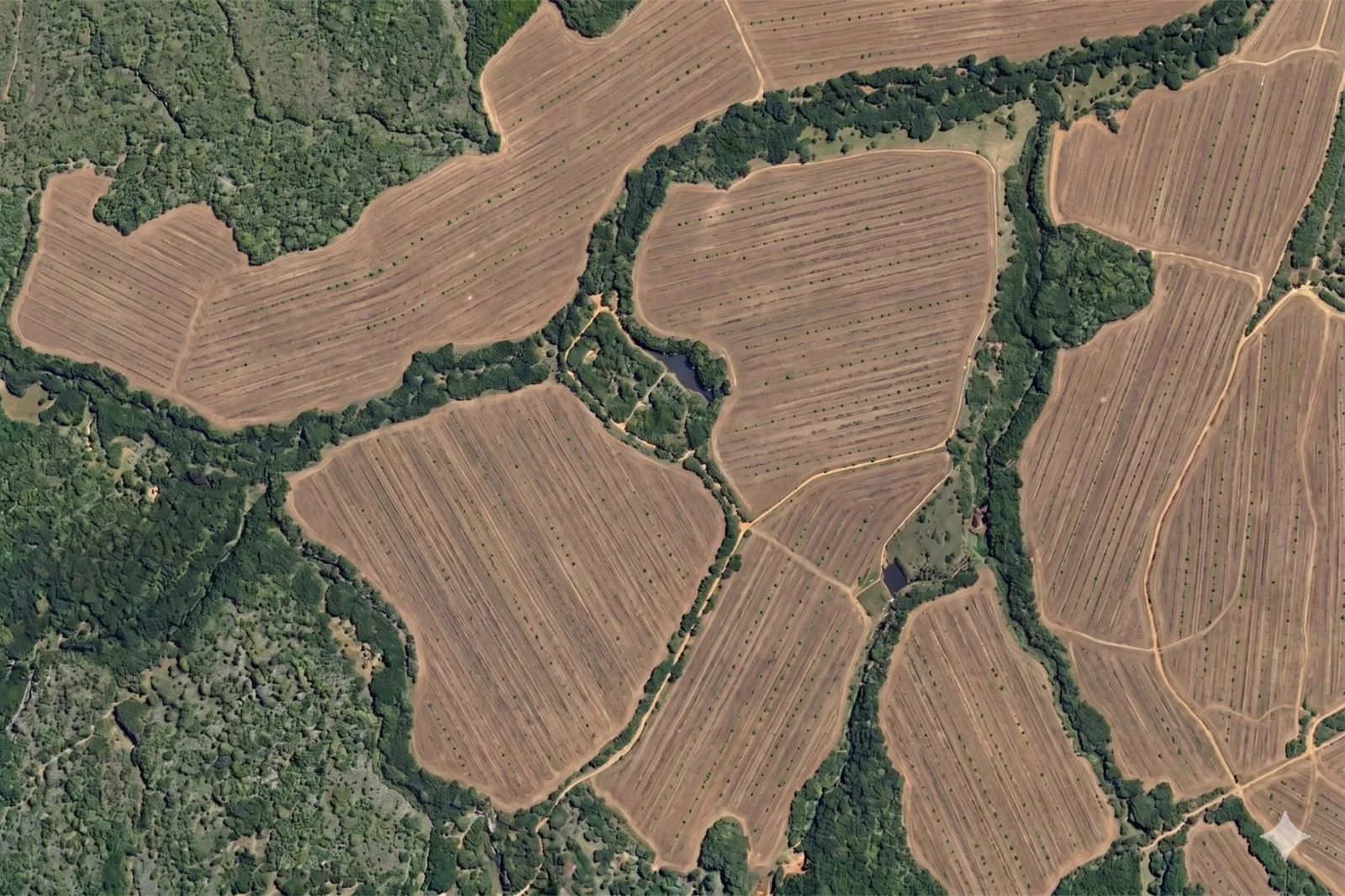
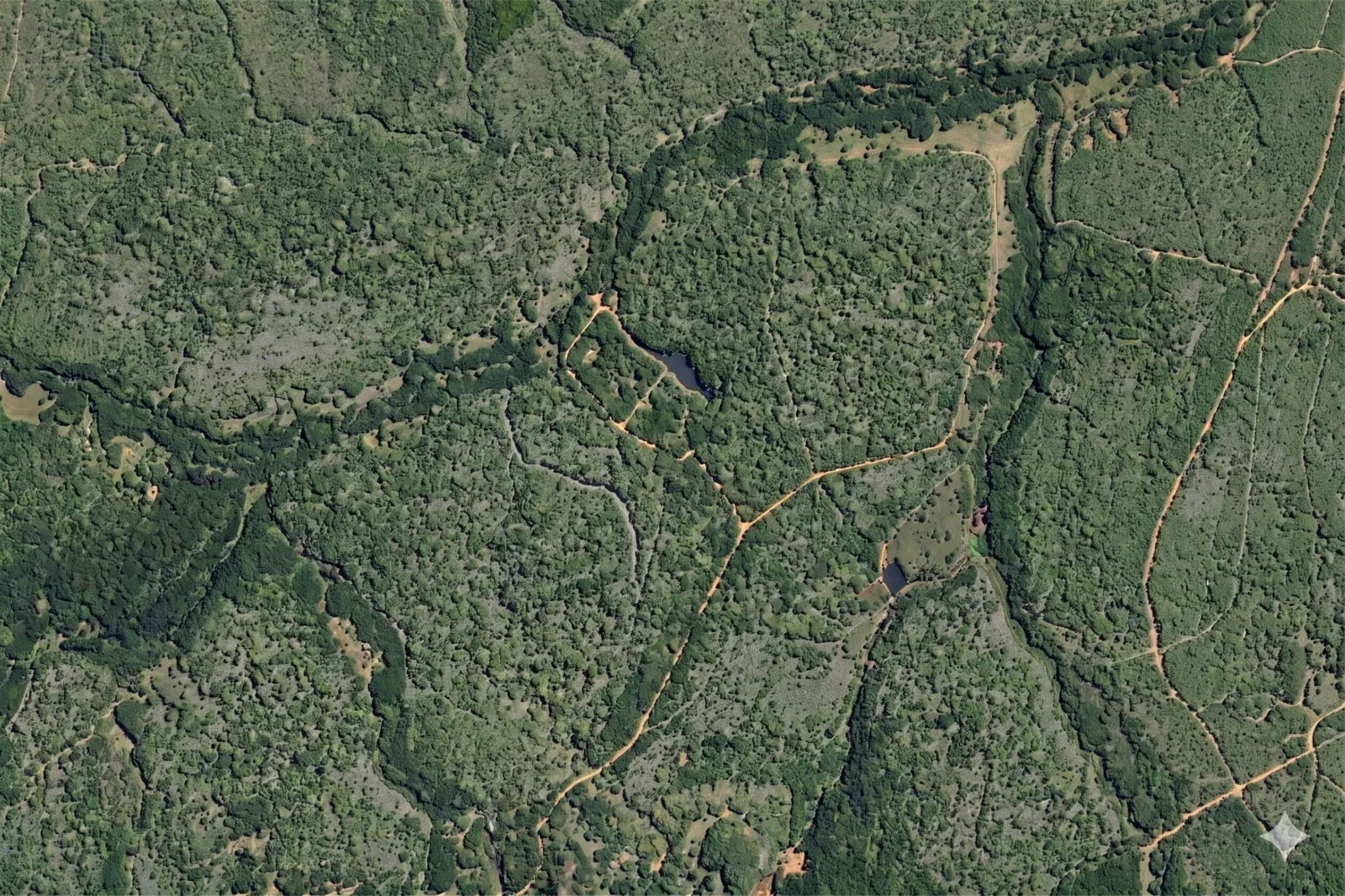
Know what the land needs before you budget.
A full read of the terrain, from satellite to soil.
41%
of the land regenerates on its own, no planting
87/100
restorability, high band
Slope100
Fire94
Water100
Soil77
Build a plan investors and the field trust.
A plan your investors can fund and your teams can run.
82
cost per hectare, down from 100
- Light prep · C2,851 ha
- Medium prep · D2,968 ha
- Heavy prep · E3,200 ha
100→82
cost per hectare, index (year 1 to year 4)
Get the project delivered with guaranteed results.
Carried out on the ground, with a guarantee on the result.
On track
monitored to the contracted target
Cost against plan
-4%
Carbon, 10-yr
105 tCO₂/ha
Delivery window
On track
Net tree carbon
Modeled values from one real area, anonymised.
- hectares analysed
- projects started
- biomes: Amazon, Cerrado, Atlantic Forest
- hectares under management
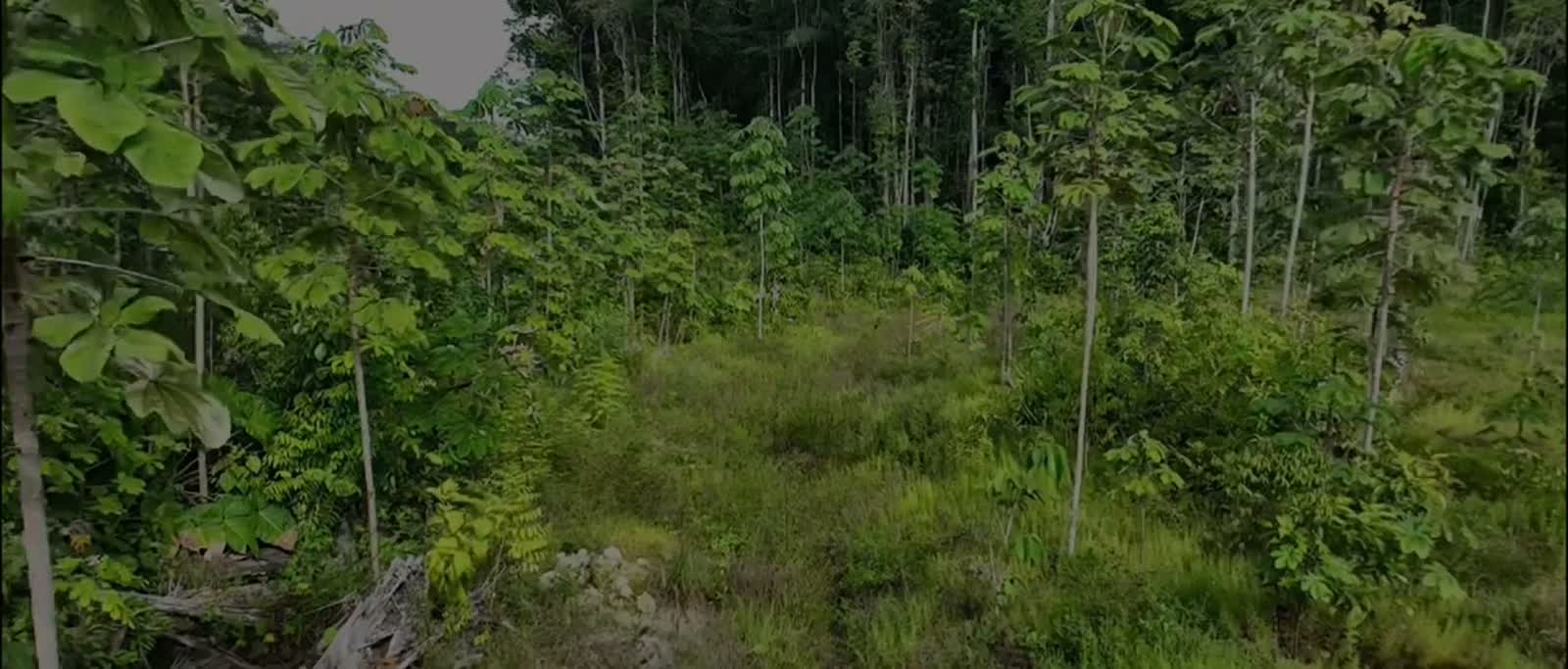
French Guiana, former gold-mining site: from bare mining ground to continuous vegetation cover, NDVI-confirmed, in about three years.
Watch on YouTubeFour reasons whyGooglechose to work with MORFO
Get the whole plan set, area by area
Soil, method, species and maintenance, set from the read of each area. MORFO answers for the target in the contract, on the cases it covers.
- Natural regeneration45%
- Assisted regeneration35%
- Targeted planting20%
A result guaranteed in the contract
We commit to ecological targets in the contract, and fix any miss at our cost.
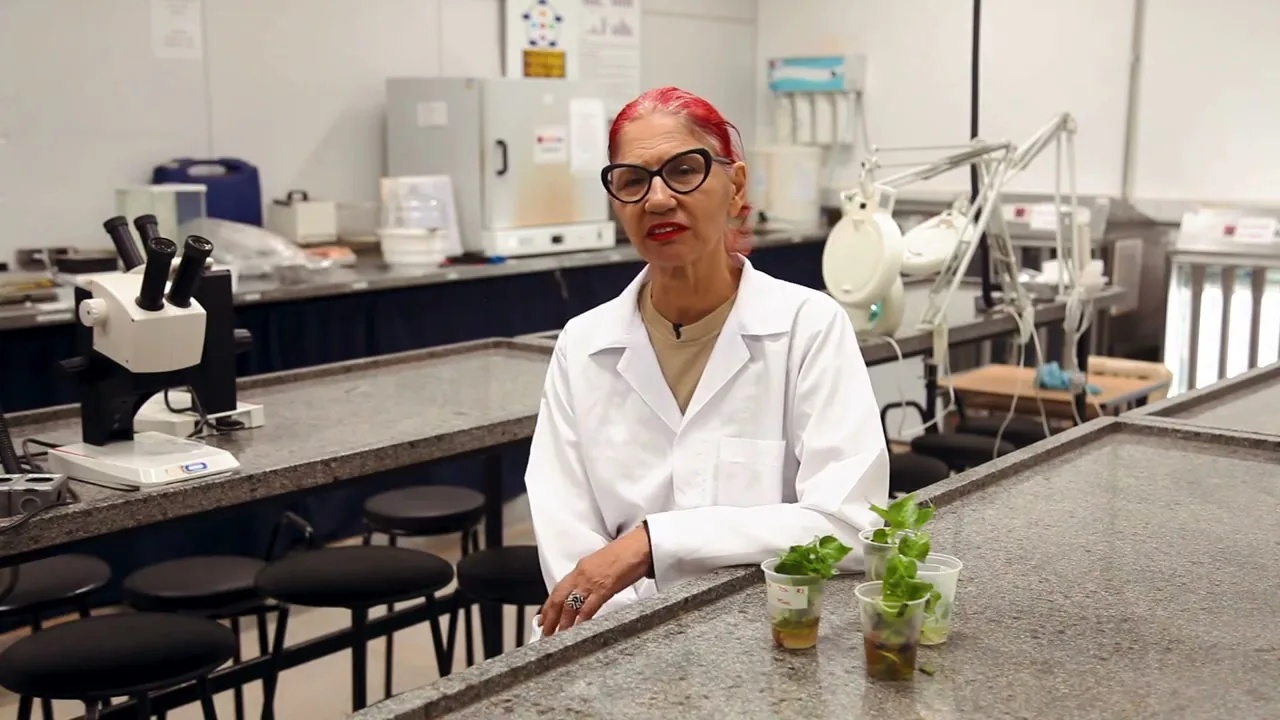
A method proven with published science
Methods built and tested with Brazilian research institutions, and sharper with every project.




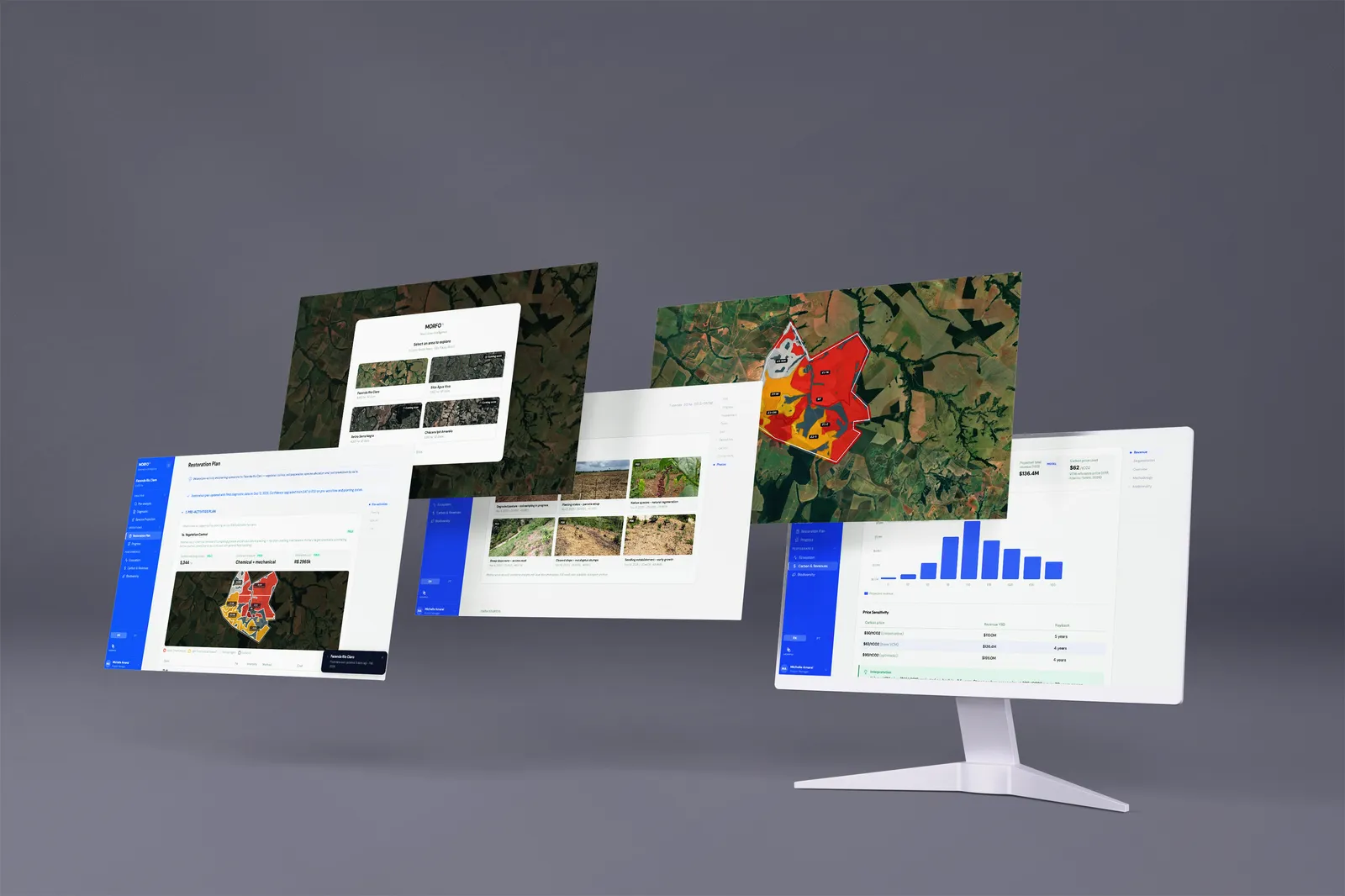
Our platform: see what your land can deliver, before you invest
MORFO Ri reads your land and predicts what to restore, which method, and at what cost, before the first tree.
Explore our projects and results
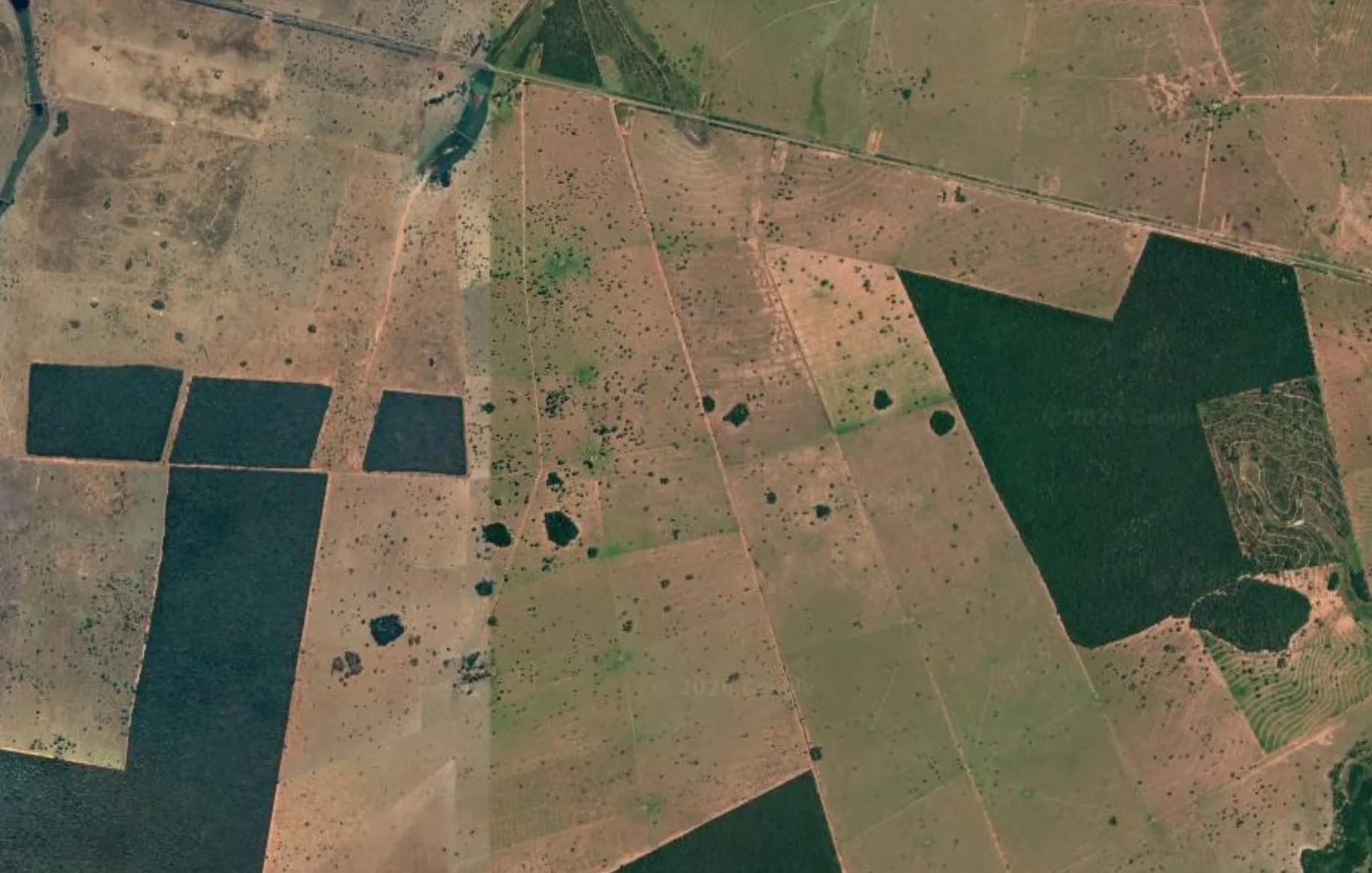
One area in the Cerrado. Two restoration models on the same land.
This is what a viable, investable project looks like in numbers: lower cost, protected upside, and a result under contract. One model applies a single recipe to every hectare. MORFO reads the land zone by zone, leaves what can regenerate on its own, and commits to the result.
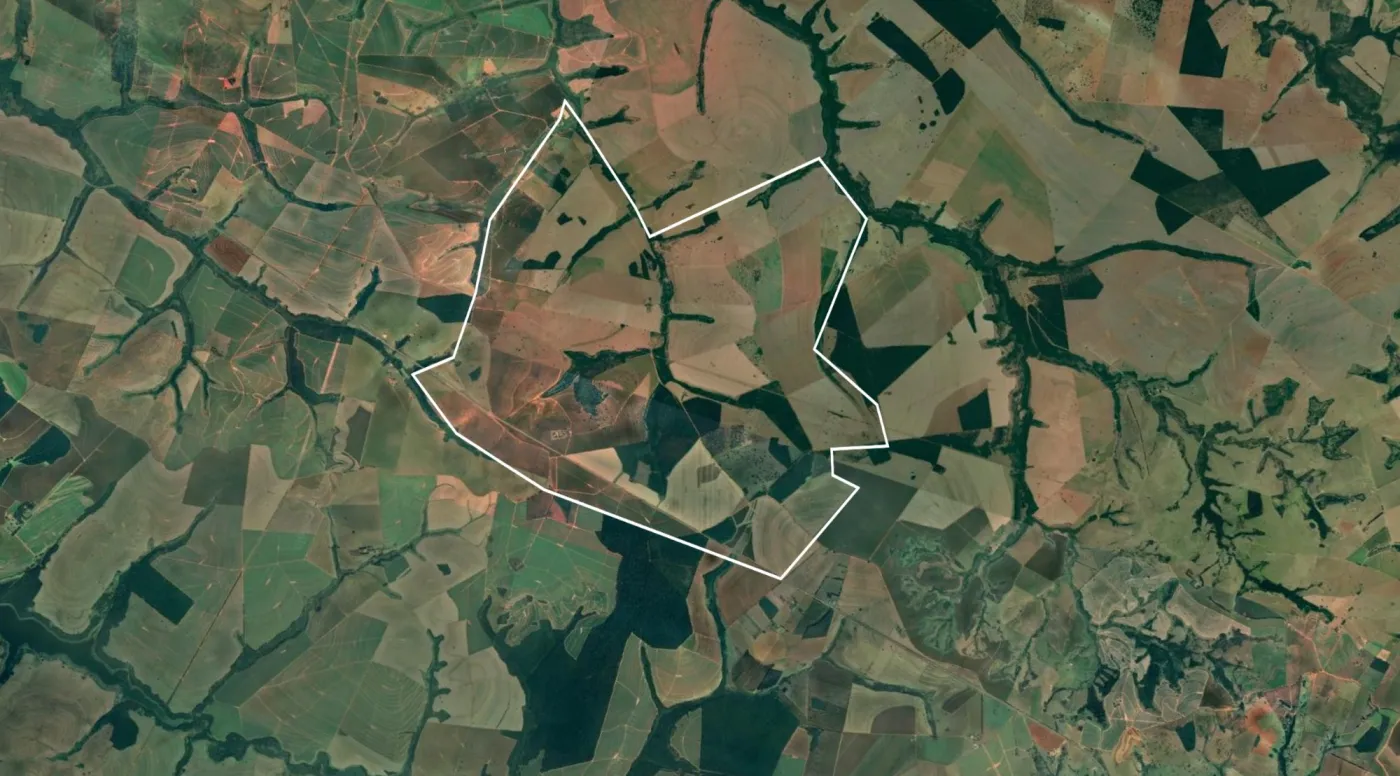 Standard approach
One uniform recipe applied across the entire cadastral perimeter.
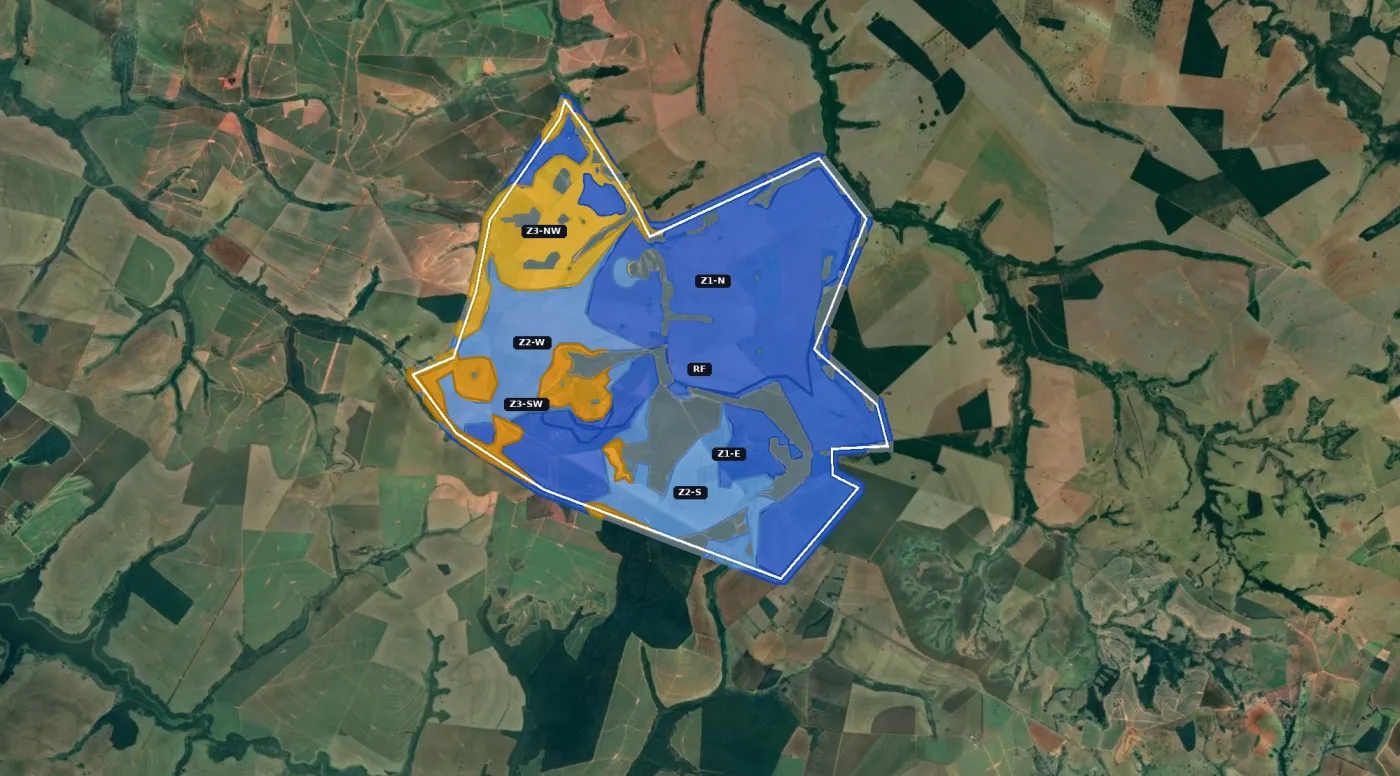 With MORFO
Zone-calibrated strategy, with natural regeneration and exclusion areas identified.
-20%
Treated surface
Natural regeneration and non-viable areas identified during diagnostic and left untreated.
-34%
Cost per hectare
Compared to the Brazilian standard market model, on the same perimeter.
0%
Extra cost if establishment fails
Corrective actions included in the contract until reaching KPIs at M+12, M+24 and M+36.
Cost per hectare, indexed
-34%Where the −34% comes from
-15 to 20%
Early identification of non-plantable zones
About 20% of the farm is kept in natural regeneration or excluded from intervention. The standard model treats 100% of the perimeter, including zones where natural regeneration would be more effective than planting.
-8 to 17%
Zone-by-zone intensity calibration
On the planted area, each operation is adjusted zone by zone. Less herbicide where invasive pressure is low. Fewer seedlings where regeneration is already active. Less subsoiling where soil is loose.
-5 to 10%
Contractual risk transfer
In the MORFO model, corrective actions up to M+36 are included in the price. In the standard model, the replanting guarantee stops at 20% mortality; above that, the client pays again to correct.
Activity by activity
Index, base 100 = standard model. Lower is cheaper.
- Machinery use-45%
- Soil preparation-45%
- Manual weeding-42%
- Field labor-40%
- Seedlings-38%
- Planting fertilization-37%
- Hydrogel-37%
- Chemical weeding-35%
- Ant control-20%
The overall figure is not the average of these lines. Each activity counts in proportion to its share of the total cost, so the activities that weigh most on a budget move the total most. The shares themselves are specific to this project and are not published.
The two models, side by side
| Standard approach | With MORFO | |
|---|---|---|
| Who produces the diagnostic | Client or external consultant | MORFO, included in the contract |
| Decision unit | Cadastral perimeter | Operational zone |
| Planting recipe | Single, uniform | Calibrated per zone |
| Areas in natural regeneration | Treated like the rest | Identified and excluded |
| What is billed | The activities performed | The result achieved |
| Who pays if the forest doesn't establish | The client | MORFO |
| Contractual commitment | Compliance with the plan | KPIs at M+12, M+24, M+36 |
Send us your shapefile
We will run the same pre-analysis for your farm, at no cost. You receive a document like this example, with the zone stratification and a cost-reduction estimate calibrated for your area. No commercial commitment.
Illustrative case reconstituted from public sector references. The standard model is calibrated on public technical proposals and the pricing grids of established forest restoration providers in Brazil. The MORFO model is based on the methodology applied to comparable sites in the Cerrado and Atlantic Forest. The figures are specific to this perimeter; your farm may differ depending on biome, size, soil condition, and land-use history.
The institutions behind the work
Backers and partners








In the press




Any questions? Ask MORFINHO.
Our assistant answers in seconds, in your language.
MORFINHO can occasionally be wrong. For anything specific, contact the team.
Turn degraded land into a project that holds.
Send us an area. We will tell you if it is viable, and how.