 Read against their criteria
They hold land and want its potential.
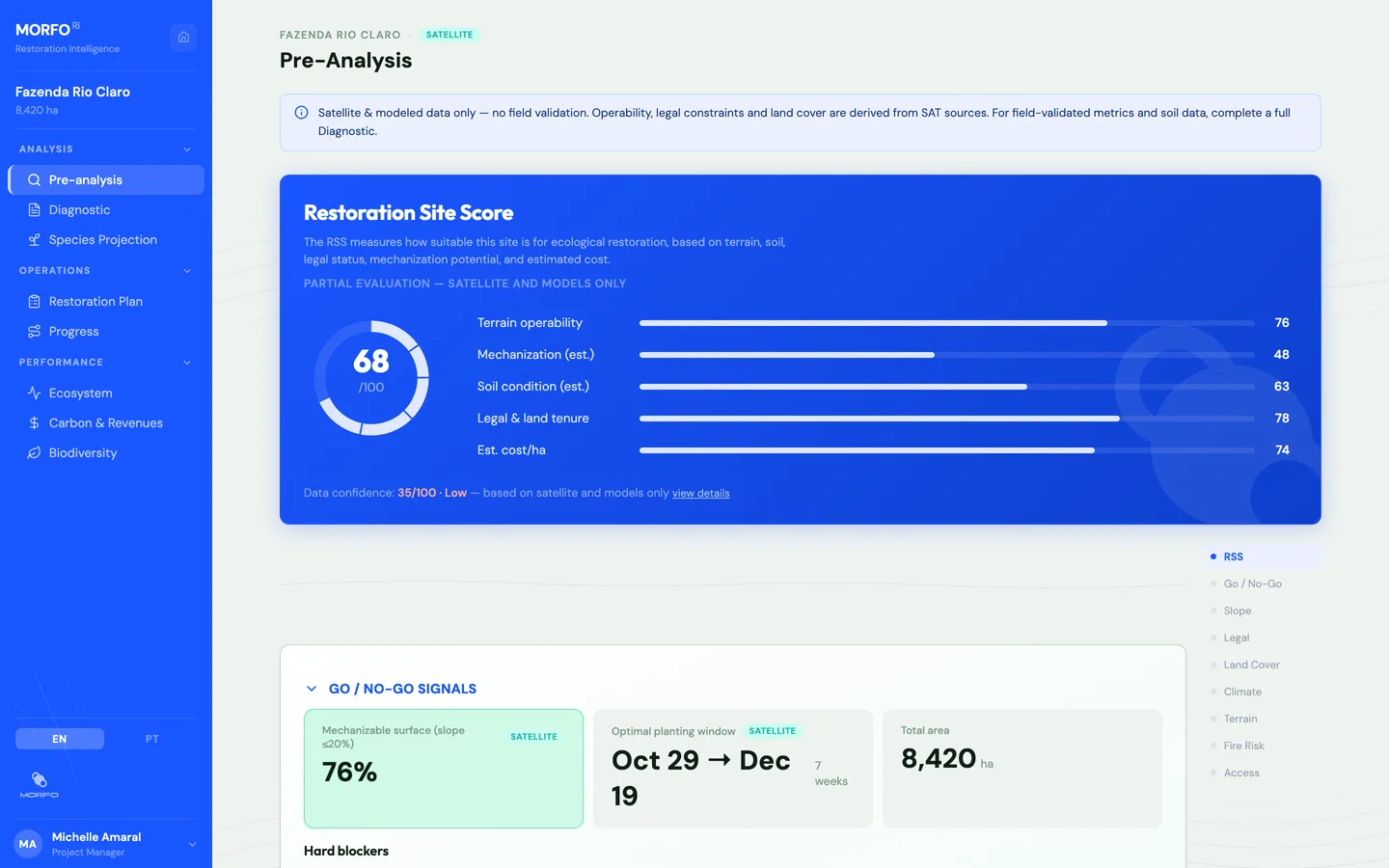
A fund has a site and its own criteria. MORFO reads the land against them and returns a scored, decidable answer.
MORFO is the missing link between capital and nature. We turn degraded land into a regeneration project a fund can finance, price and guarantee, and stay the single accountable partner across its whole life.
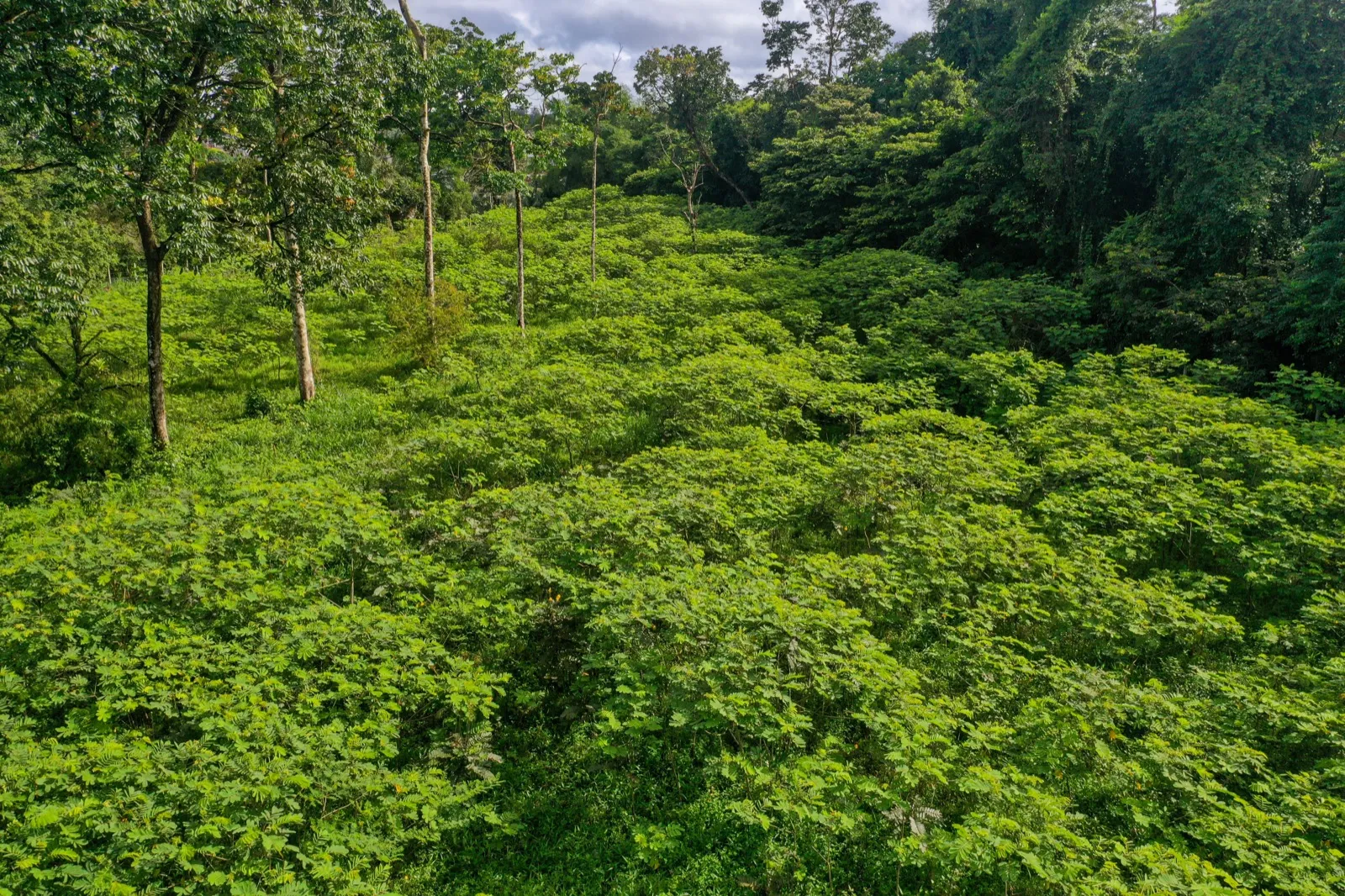
Usually one of these three situations.
Read against their criteriaA fund has a site and its own criteria. MORFO reads the land against them and returns a scored, decidable answer.
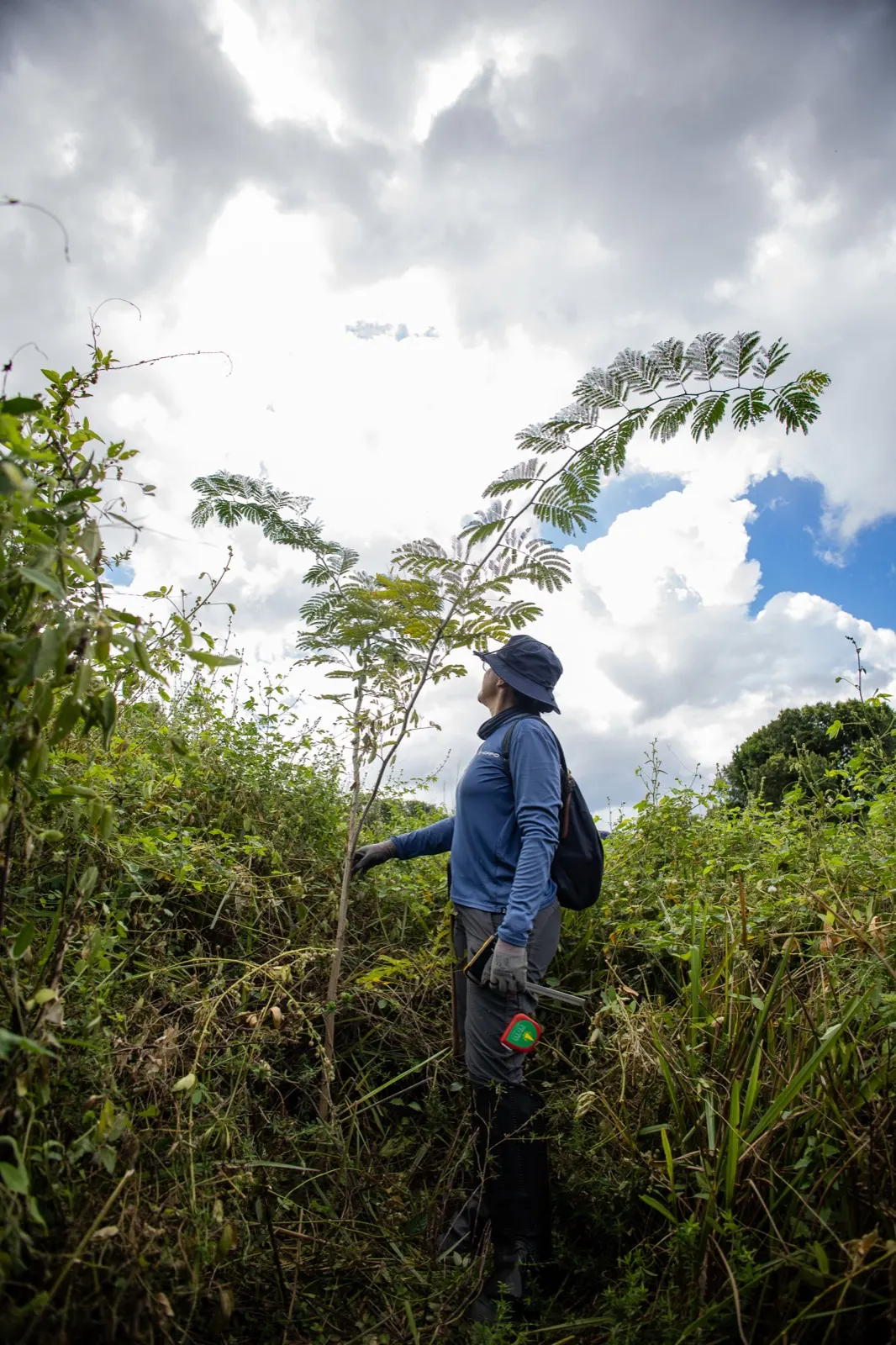 Forecast before they commit
A fund needs the upside and the red flags before committing. MORFO forecasts what the land can produce, by which method and at what cost.
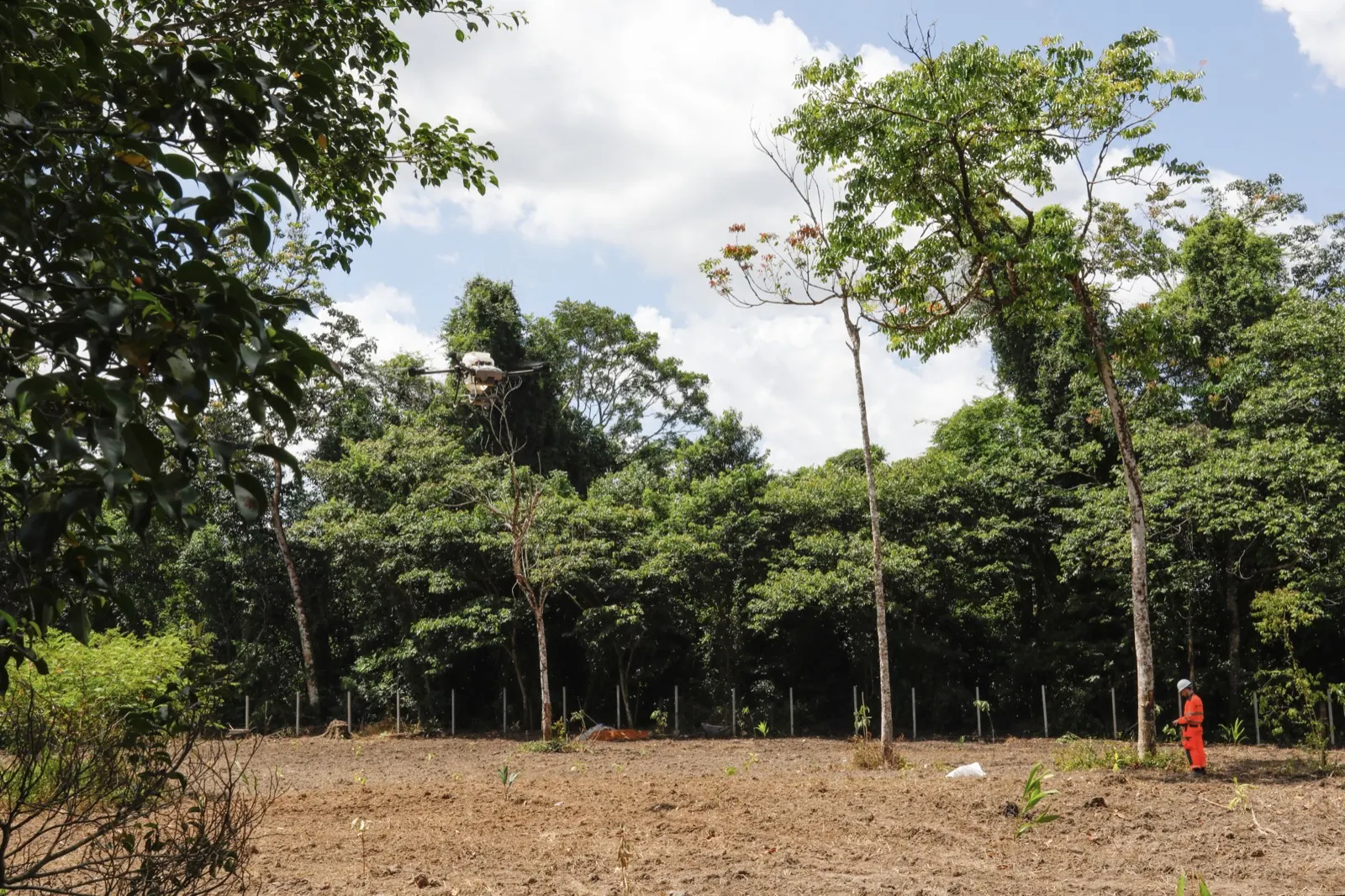 MORFO to the result
MORFO designs the project, coordinates the execution and shares the risk, and answers for the whole chain from the read to the contracted target.
A go or no-go and a costed plan your committee can back.
A fund cannot value degraded land alone, and the real risk hides in the grey area, where it surfaces late. MORFO returns a decidable read your committee can back.
How: a light first pass from satellite and data, then a field read only where it advances.
Method mix, plot by plot
Several pathways, so one setback does not sink the project.
Comparable or better performance, at a lower total cost.
Every part of the plan is set from the read of the area, which is what spreads the risk.
MORFO answers for the target in the contract, on the cases it covers.
Delivery vs plan
Monitored delivery, ahead of the plan
The dashed line is the plan agreed at signature. The solid line is what monitoring measured at each gate.
Milestone campaigns at each gate, monitored to the MRV standard.
Audit-ready evidence you can model and defend.
MORFO tracks an ecosystem and carbon trajectory you can put in your model. Early regeneration is measured honestly, never called a forest, and if a target is missed MORFO fixes it at its own cost.
60,000+ hectares of data behind every forecast, so value, cost and risk are set before capital moves.
The right method for each hectare lowers the cost and spreads the risk, instead of one recipe applied everywhere.
The result is written into the contract and fixed at MORFO's cost.
What the method has covered across three biomes to date.
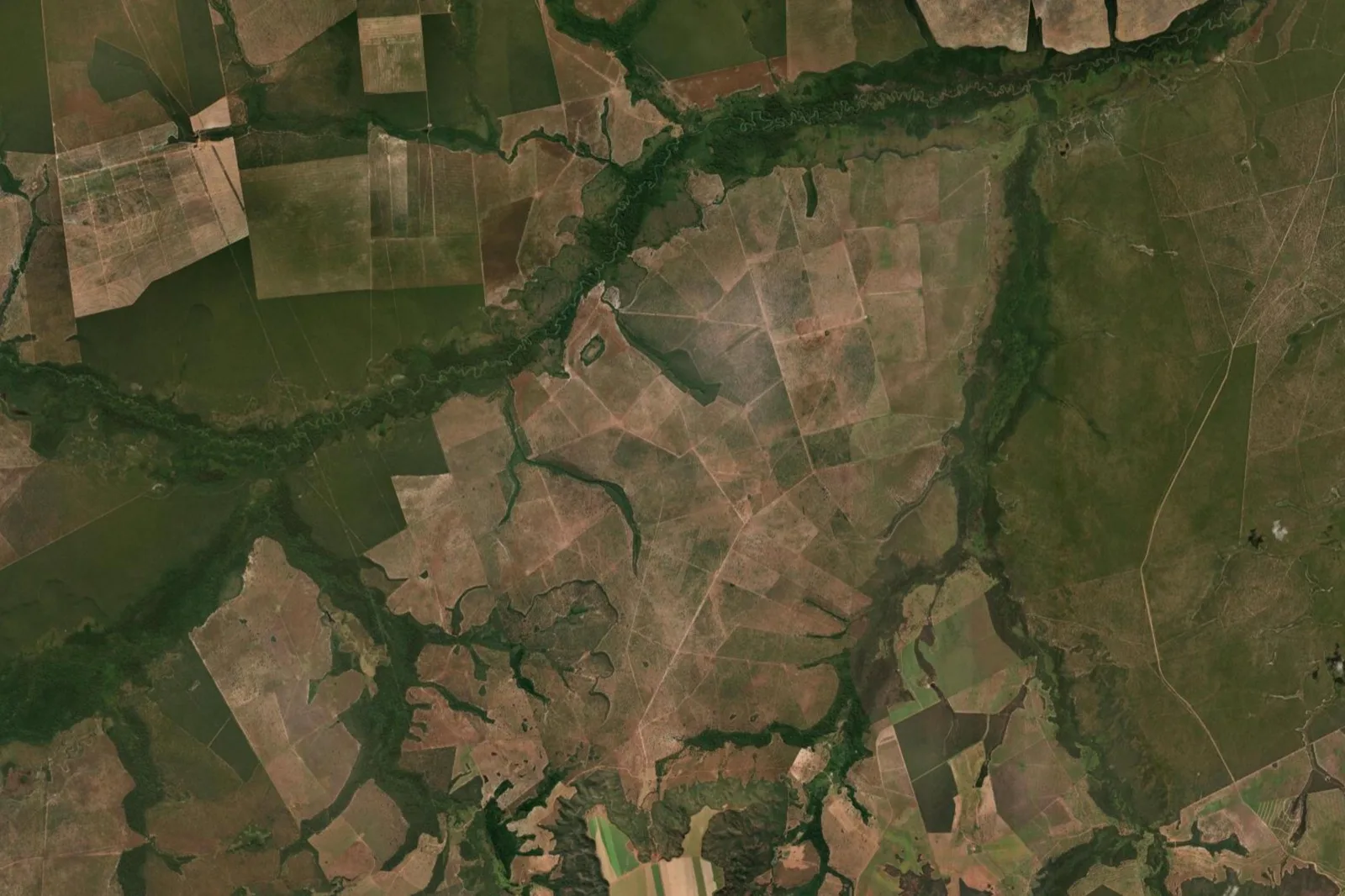
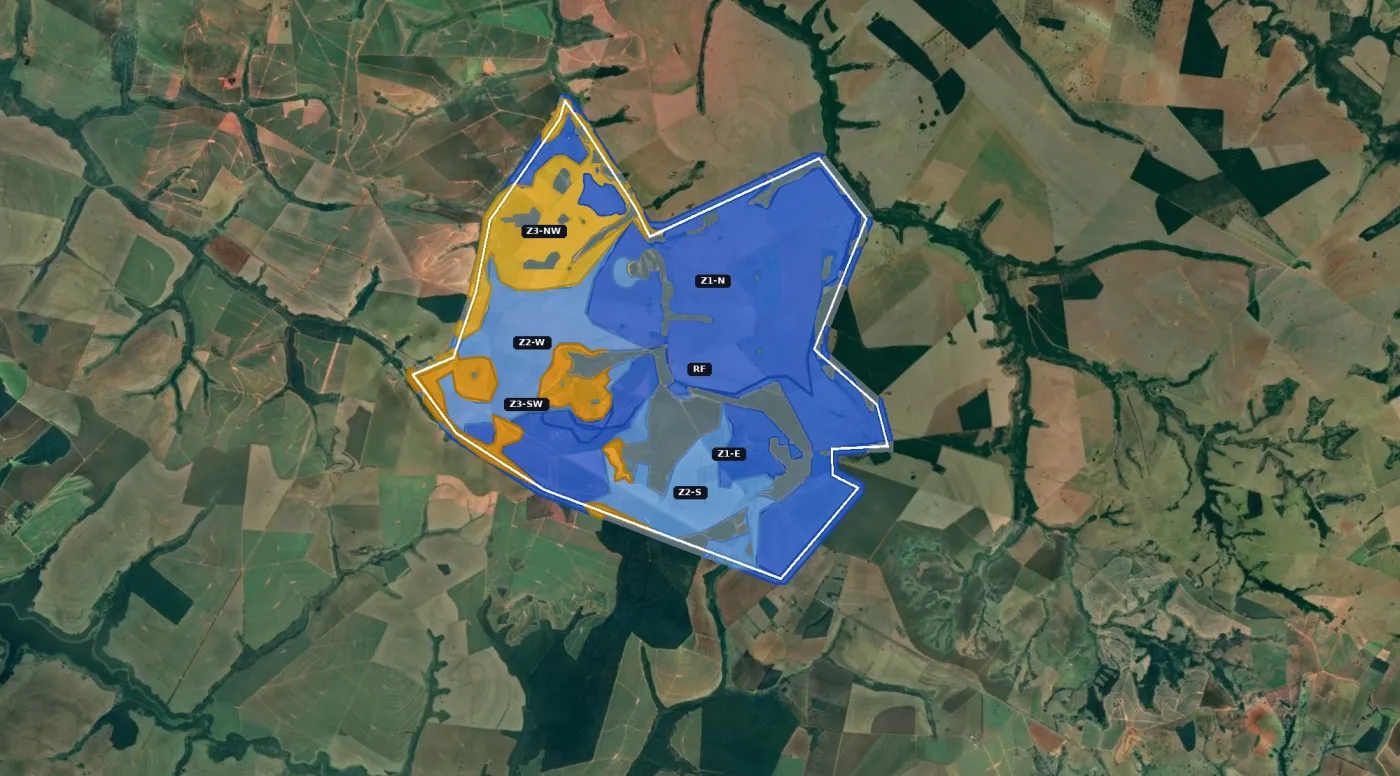
One area in the Cerrado. Two restoration models on the same land.
This is what a viable, investable project looks like in numbers: lower cost, protected upside, and a result under contract. One model applies a single recipe to every hectare. MORFO reads the land zone by zone, leaves what can regenerate on its own, and commits to the result.
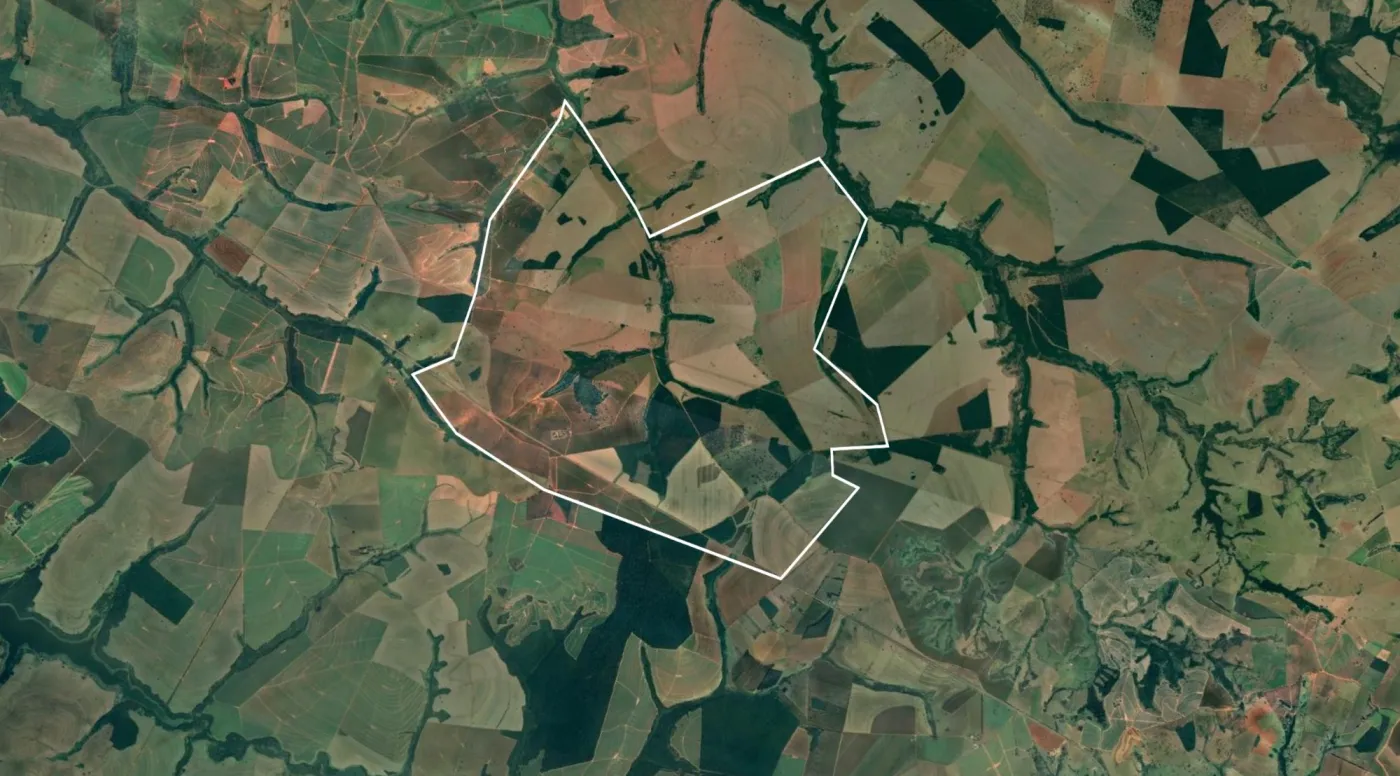 Standard approach
One uniform recipe applied across the entire cadastral perimeter.
 With MORFO
Zone-calibrated strategy, with natural regeneration and exclusion areas identified.
-20%
Treated surface
Natural regeneration and non-viable areas identified during diagnostic and left untreated.
-34%
Cost per hectare
Compared to the Brazilian standard market model, on the same perimeter.
0%
Extra cost if establishment fails
Corrective actions included in the contract until reaching KPIs at M+12, M+24 and M+36.
-15 to 20%
About 20% of the farm is kept in natural regeneration or excluded from intervention. The standard model treats 100% of the perimeter, including zones where natural regeneration would be more effective than planting.
-8 to 17%
On the planted area, each operation is adjusted zone by zone. Less herbicide where invasive pressure is low. Fewer seedlings where regeneration is already active. Less subsoiling where soil is loose.
-5 to 10%
In the MORFO model, corrective actions up to M+36 are included in the price. In the standard model, the replanting guarantee stops at 20% mortality; above that, the client pays again to correct.
Index, base 100 = standard model. Lower is cheaper.
The overall figure is not the average of these lines. Each activity counts in proportion to its share of the total cost, so the activities that weigh most on a budget move the total most. The shares themselves are specific to this project and are not published.
| Standard approach | With MORFO | |
|---|---|---|
| Who produces the diagnostic | Client or external consultant | MORFO, included in the contract |
| Decision unit | Cadastral perimeter | Operational zone |
| Planting recipe | Single, uniform | Calibrated per zone |
| Areas in natural regeneration | Treated like the rest | Identified and excluded |
| What is billed | The activities performed | The result achieved |
| Who pays if the forest doesn't establish | The client | MORFO |
| Contractual commitment | Compliance with the plan | KPIs at M+12, M+24, M+36 |
We will run the same pre-analysis for your farm, at no cost. You receive a document like this example, with the zone stratification and a cost-reduction estimate calibrated for your area. No commercial commitment.
Illustrative case reconstituted from public sector references. The standard model is calibrated on public technical proposals and the pricing grids of established forest restoration providers in Brazil. The MORFO model is based on the methodology applied to comparable sites in the Cerrado and Atlantic Forest. The figures are specific to this perimeter; your farm may differ depending on biome, size, soil condition, and land-use history.
Send us an area. We will tell you if it is viable, and how.