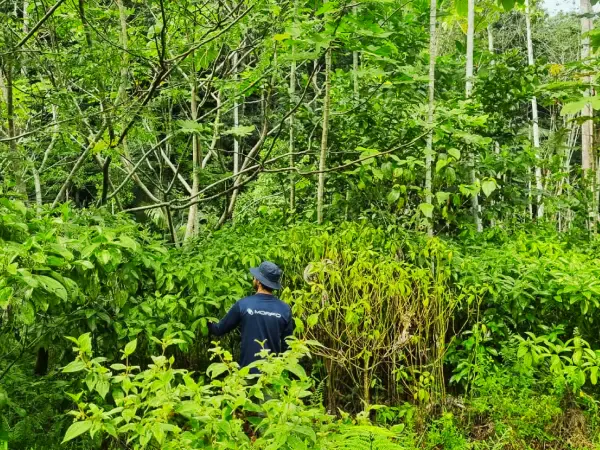
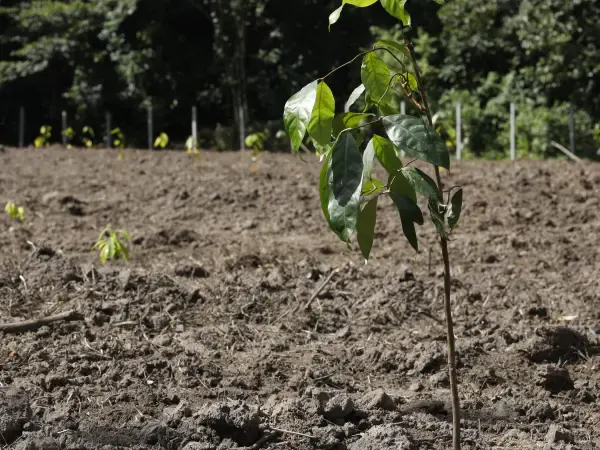
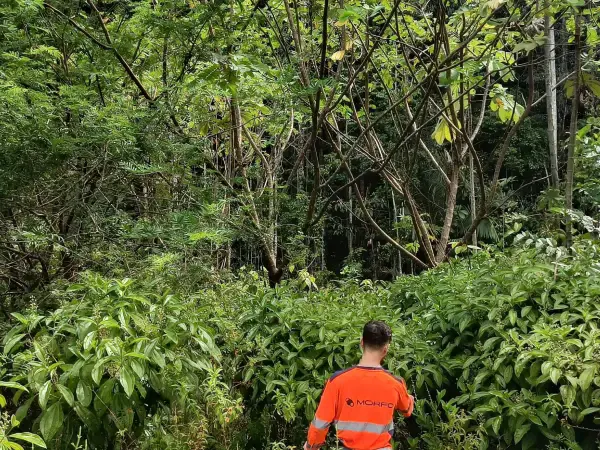
MORFO is a Franco-Brazilian restoration company.
It started in 2021 in French Guiana, on abandoned gold-mining land, and now works across three biomes in Brazil.
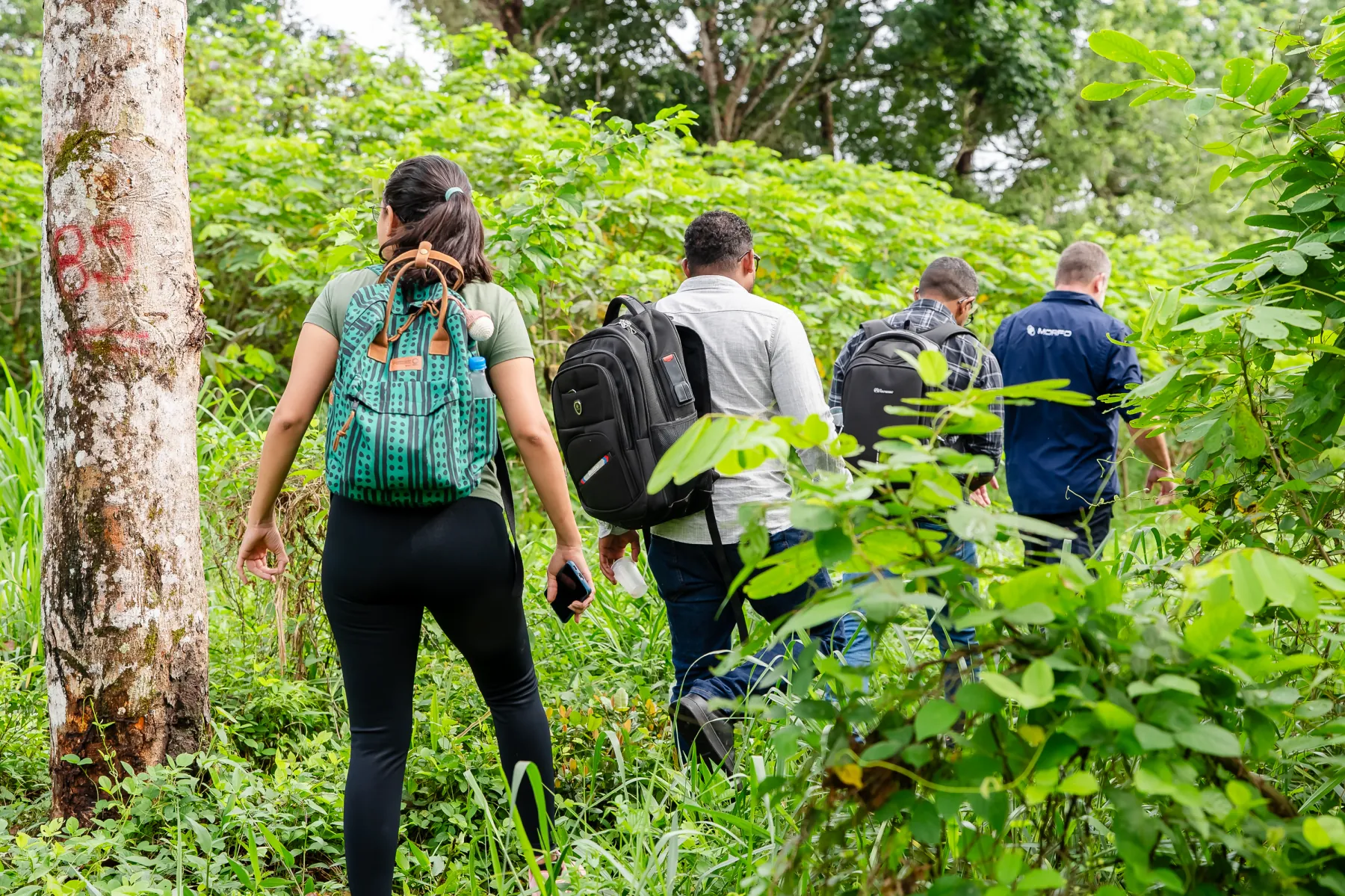
It started in French Guiana.
In 2021, on ground gold mining had left behind, the founders turned a personal commitment into a method: read the land first, then decide what it needs.
In January 2023 the company set up in Rio de Janeiro, and now works across the Amazon, the Cerrado and the Atlantic Forest.
MORFO sits between the capital and the field.
Continuous cover NDVI-confirmed, and the project validated by the environmental authorities.
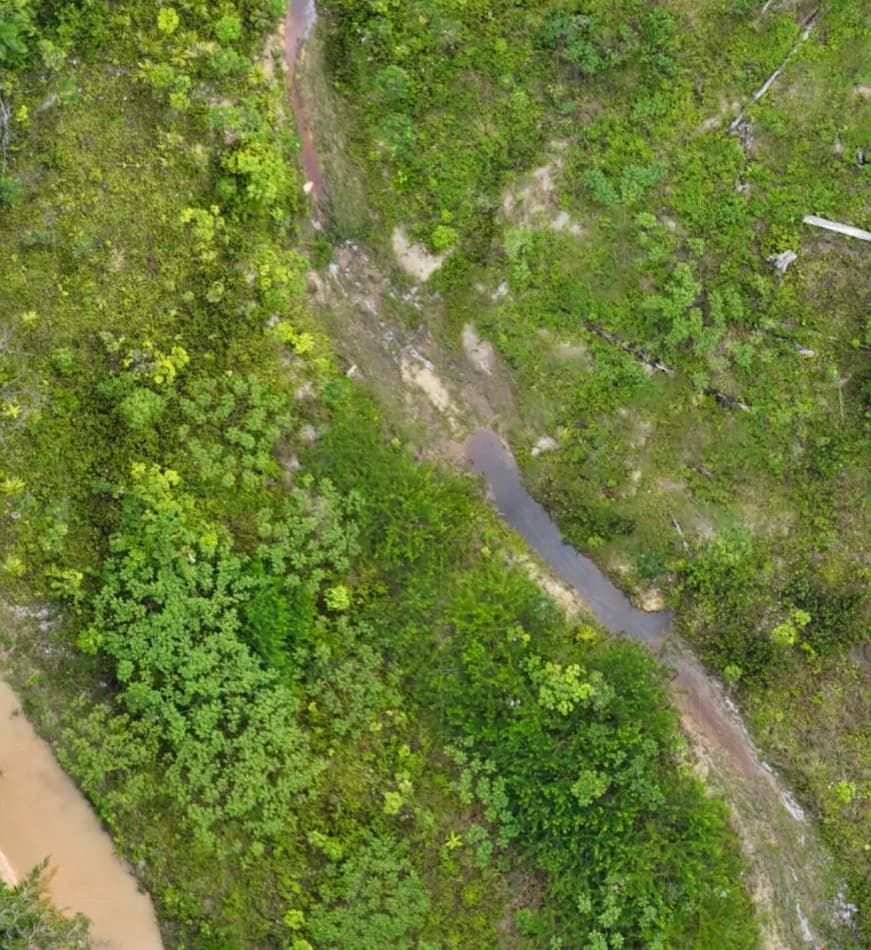 Feb 2022Feb 2026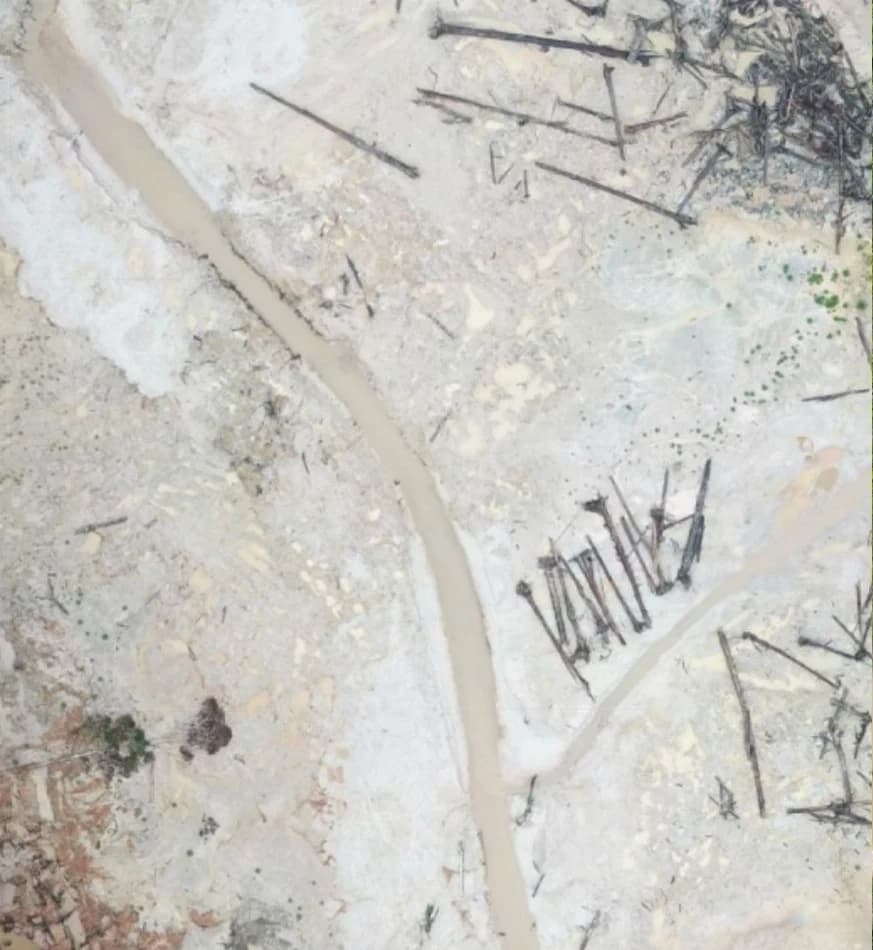
How MORFO is built.
Two offices, five disciplines: soil science, data and AI, forestry, operations and business, from Rio de Janeiro and Montpellier.
A Brazilian technical team leads field coordination across the Amazon, Cerrado and Atlantic Forest.
Execution runs through local operators MORFO selects and coordinates in each biome, under MORFO's protocols, so the work scales without owning land or machinery.
Research and seed sourcing stay in house.
MORFO does not own the land and does not plant itself.
- Land tenure
The owner holds the land.
- Project developmentMORFO
MORFO designs the project with you.
- Finance
You or your fund commits the capital.
- ExecutionMORFO
MORFO selects and coordinates the operators.
- Communities
Local partners hold the dialogue with the communities.
- Verification
An independent auditor signs off the result.
Who validates the work.
Four institutions, ten research programmes, two patents.
Methods are built and tested with Embrapa, UFV, UFSCar and IRD, on matched control plots and field measurement.
The team publishes, including in Restoration Ecology.
The species catalogue holds 490 natives across three biomes.


Embrapa, UFV and UFSCar are Brazilian institutions; IRD is French.
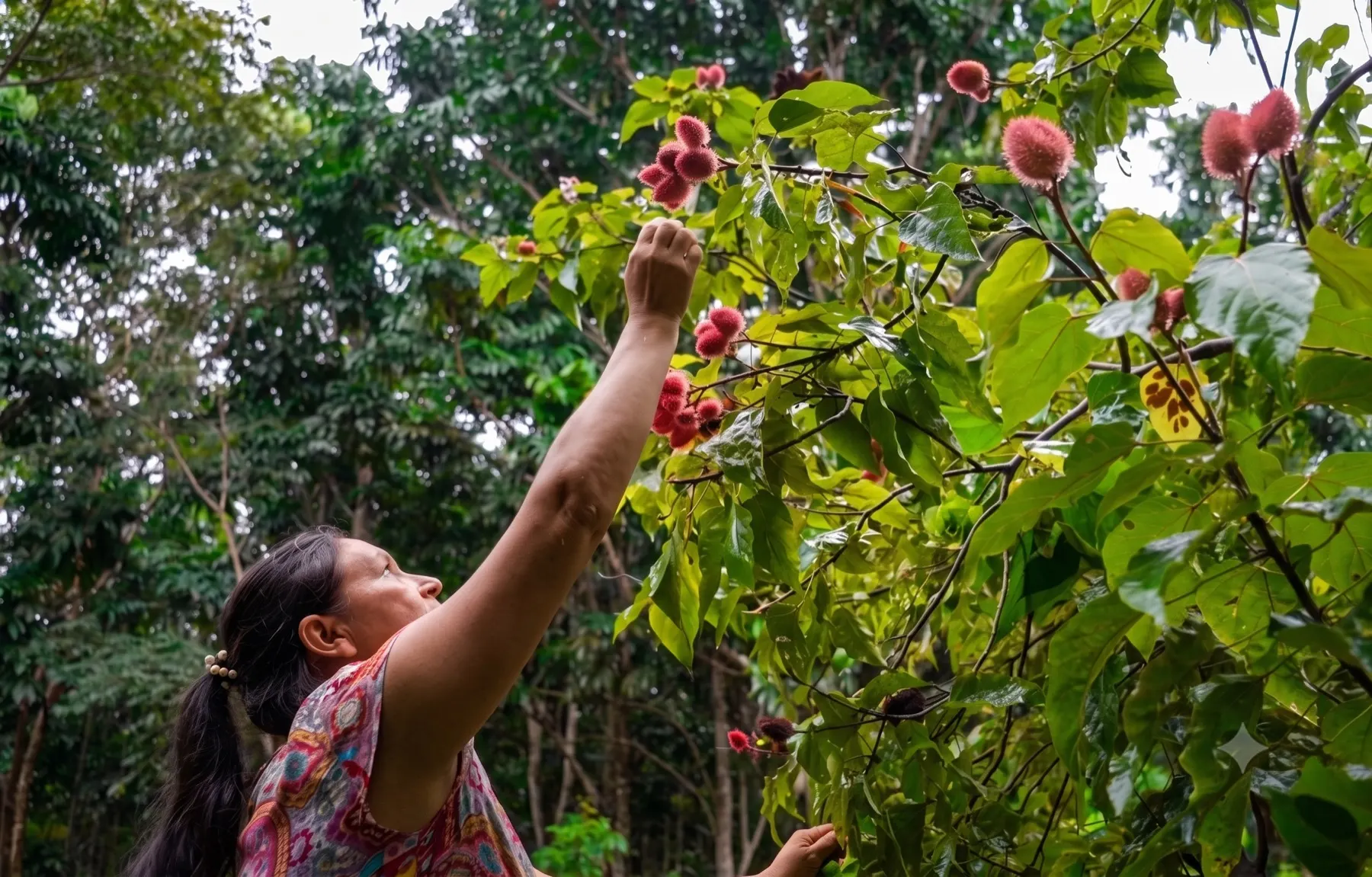
The seeds come from local networks.
Seed comes from collector networks in each biome, so local knowledge sits inside the method.
Among collectors and producers, 63% are women, and 60% of collector groups are led by women.
The partners behind the work.
Recognition from science, industry and climate institutions.







Solar Impulse Efficient Solution label · INOV 2025 laureate · World Economic Forum · 1t.org · Nature4Climate · Ministère de l'Enseignement Supérieur et de la Recherche · France 2030
Read what MORFO publishes every month.
Field notes, method and market, in English, French or Portuguese.