Get the planting optimized, and the result guaranteed.
MORFO plans each zone, runs the works, and answers for the KPIs.
- Target, per zoneIn the contract
- Tracked at each milestoneOn plan
- Corrective actionsIncluded
Fix the four problems that decide your project.
Each one is set before the first tree, by the plan. Here is the problem, and what MORFO does about it.
The tending years, not planting day
Survival and stocking in years 1 to 3 decide the curve, and that is where projects slip.
MORFO: MORFO holds the area to target through those years, replanting and adapting the management until the KPIs are met.
The crews you cannot mobilize
On steep or remote blocks, the planting window depends on labour that is scarce, costly and unsafe to send.
MORFO: MORFO plans a mechanized route where a crew cannot safely or affordably go.
Plantable area, not total area
Part of the perimeter would regenerate on its own, and it gets priced as planting anyway.
MORFO: MORFO reads every plot before the budget, so you choose which hectares leave the planting line and which you plant to bring the carbon forward.
The gap between ex-ante and ex-post
The modeled curve and the field diverge quietly, and the shortfall surfaces late in a monitoring report.
MORFO: MORFO measures against the plan at fixed milestones, early enough that a correction still works.
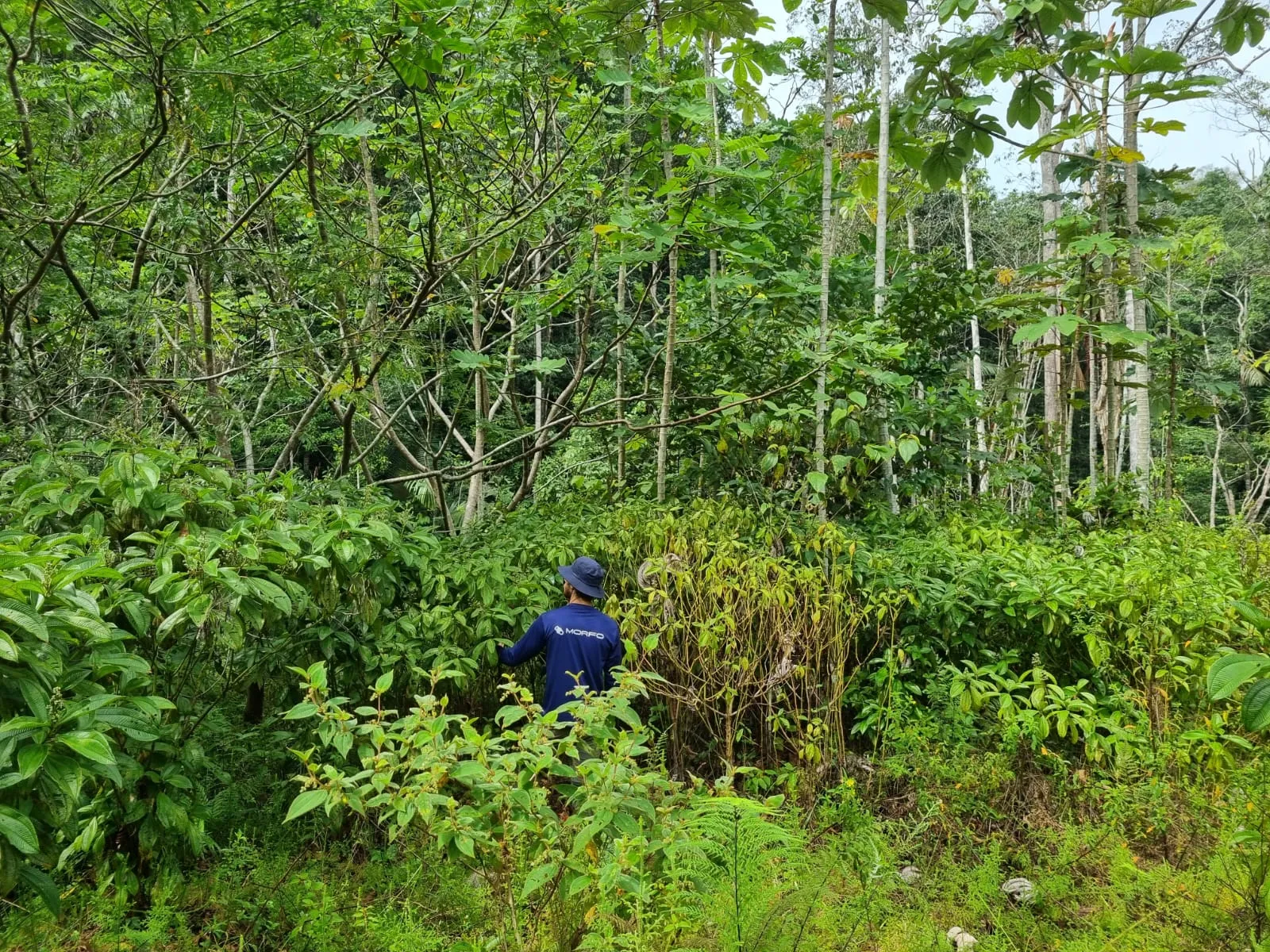
Optimize five decisions, plot by plot.
Soil preparation, soil correction, where to plant, what to plant, maintenance. A twenty-year horizon and a forty-year horizon do not get the same five answers.
- Read each plot across 21 data layers. Soil, slope, water, fire risk and access, scored before the field visit.
- Decide the five separately, plot by plot. A plot that needs its soil corrected rarely wants the same planting density as the one next to it.
- Leave the plots that regrow on their own. The hectares that regrow without planting still carry carbon, at a fraction of the cost.
Leaving a plot to regrow only holds up if you can show it will. The read and the monitoring are what make that case, to your committee and to an environmental authority.
The plan MORFO signs off is the plan MORFO answers for, on the cases the contract covers.
What the read sets, for one plot
- Soil preparationSet from the read
- Soil correctionWhere the soil needs it
- Where to plantPer plot, and where to leave it
- What to plantSpecies mix for your horizon
- MaintenanceScheduled per plot
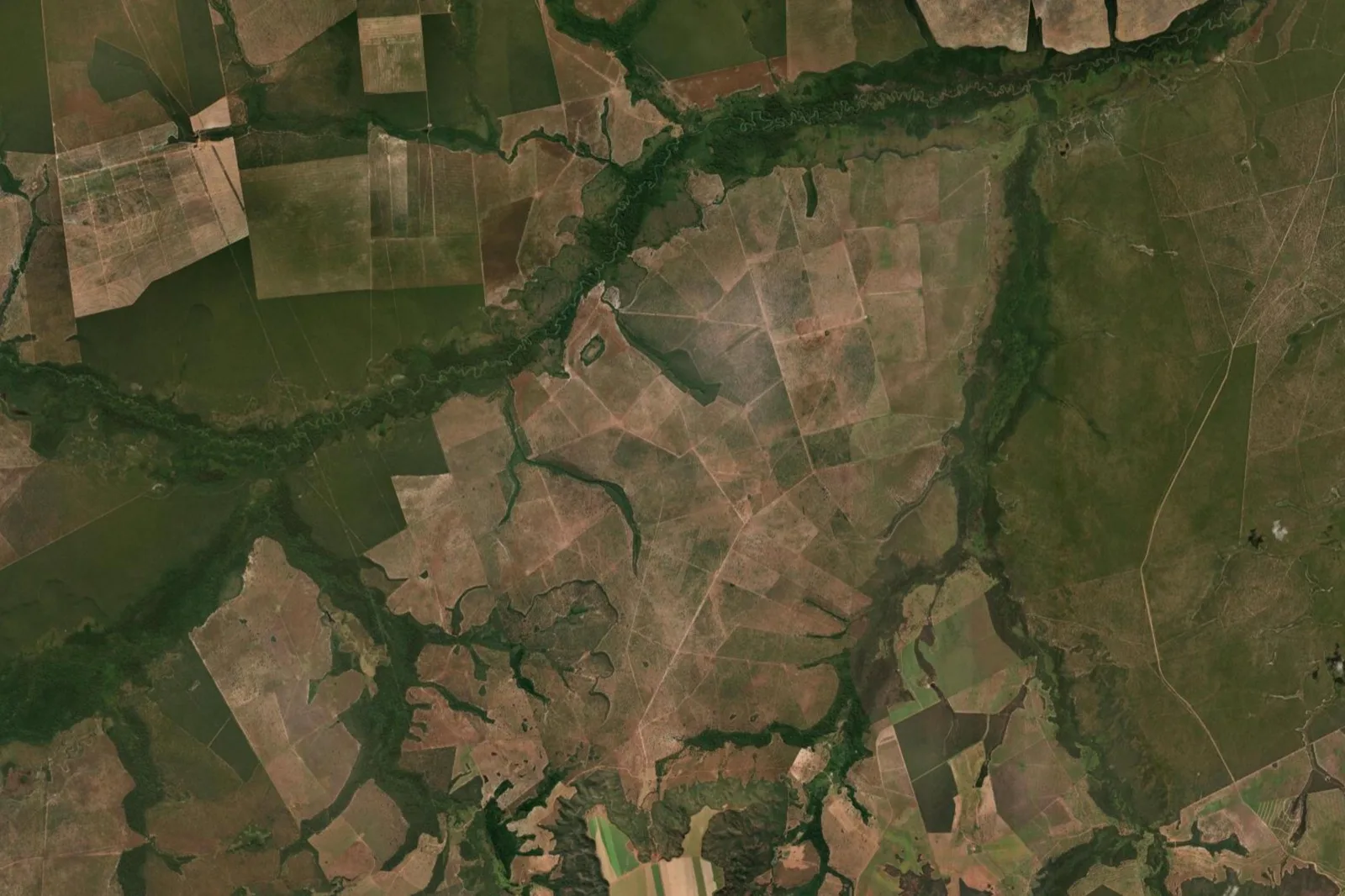
Every plot gets its own prescription. 41% regenerates on its own (Area A).
Hold MORFO to the result, not to the method.
KPIs defined together, written into the contract, corrective actions included.
- The targets are set with you, before the work starts. Density, diversity and cover, per zone, at agreed milestones.
- Corrective actions sit inside the scope. Replanting and adaptive management until the targets are met, not on a separate invoice.
- The commitment holds whoever executes. Use MORFO's teams or keep your own operators, the plan and the accountability do not change.
The guarantee applies to the execution MORFO coordinates, on the cases the contract covers. It is an operational commitment, not an insurance policy.
- Target (the plan)
- Tracked
- Correction
Projection from the plan. Field results are measured and reported separately.
Prove it to a verifier and to your committee.
Measured at fixed milestones, tagged by source, ready for audit.
- A baseline before anything moves. The starting state recorded, so the trajectory can be defended later.
- Fixed monitoring milestones. Density and diversity read against the plan, early enough to correct.
- Every metric tagged with its source. Field, satellite or drone, traceable one by one.
| Milestone | What is read | Source | Against the plan |
|---|---|---|---|
| Baseline | Soil, existing vegetation, perimeter | FLD · SAT | Recorded |
| Year 1 | Density and stocking, permanent plots | FLD · DRN | On plan |
| Year 2 | Cover and canopy in formation | SAT · DRN | Correction logged |
| Year 3 | Full re-read for verification | FLD · DRN · SAT | Audit pack ready |
Every line carries its date and its source, and exports as it stands. This is the structure of the record, not one project's values.
What MORFO will never promise you.
No single method everywhere
No two hectares behave the same, so the method is chosen zone by zone.
No instant scale
Volume grows once conditions are proven, one validated stage at a time.
No forest in a year
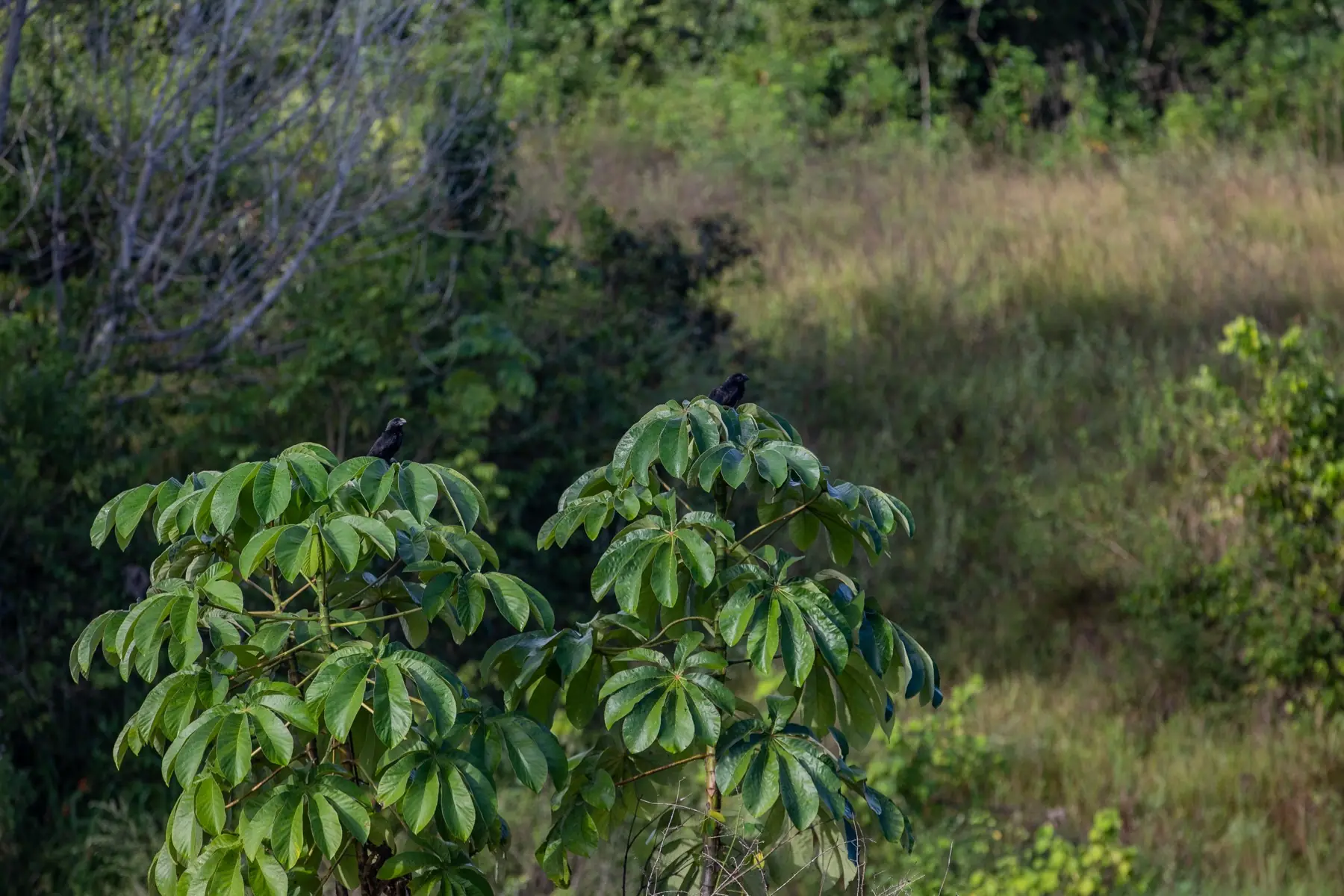
Early regeneration is vegetation cover and canopy in formation, measured as such.
No explanation after the fact
Evidence is produced from the first months, while a problem is still fixable.
The same land, with and without MORFO.
Two restoration models on one area, priced side by side.
One model applies a single recipe to every hectare. MORFO reads the land zone by zone, leaves what can regenerate on its own, and commits to the result.
One area in the Cerrado. Two restoration models on the same land.
This is what a viable, investable project looks like in numbers: lower cost, protected upside, and a result under contract. One model applies a single recipe to every hectare. MORFO reads the land zone by zone, leaves what can regenerate on its own, and commits to the result.
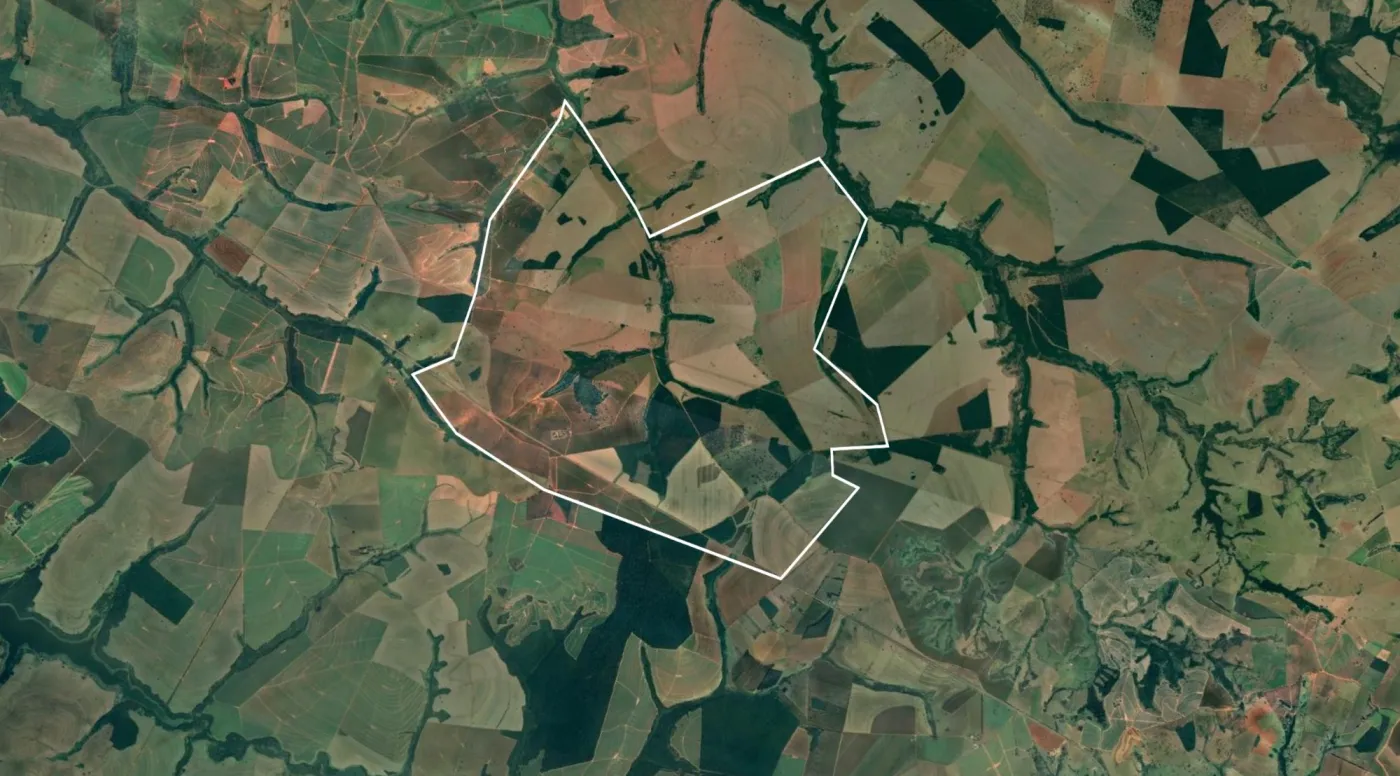 Standard approach
One uniform recipe applied across the entire cadastral perimeter.
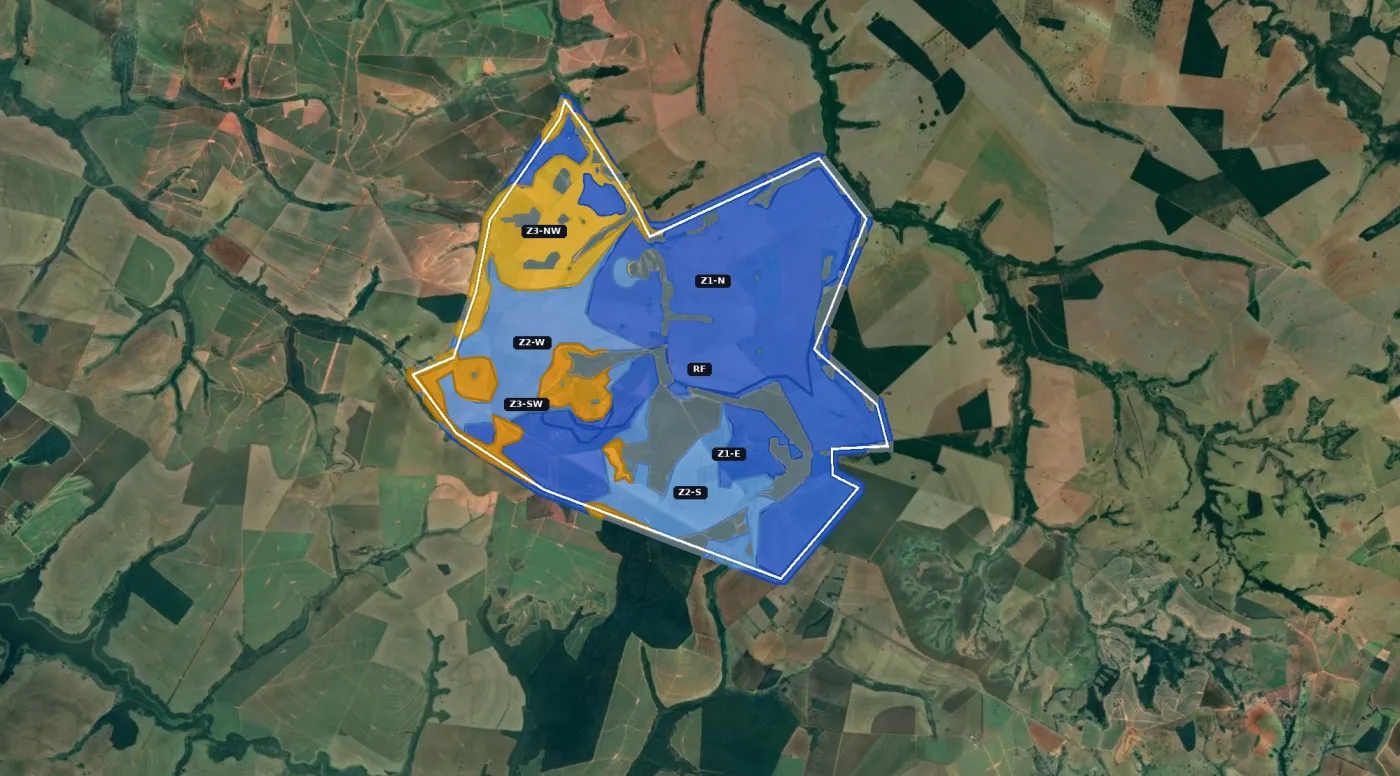 With MORFO
Zone-calibrated strategy, with natural regeneration and exclusion areas identified.
-20%
Treated surface
Natural regeneration and non-viable areas identified during diagnostic and left untreated.
-34%
Cost per hectare
Compared to the Brazilian standard market model, on the same perimeter.
0%
Extra cost if establishment fails
Corrective actions included in the contract until reaching KPIs at M+12, M+24 and M+36.
Cost per hectare, indexed
-34%Where the −34% comes from
-15 to 20%
Early identification of non-plantable zones
About 20% of the farm is kept in natural regeneration or excluded from intervention. The standard model treats 100% of the perimeter, including zones where natural regeneration would be more effective than planting.
-8 to 17%
Zone-by-zone intensity calibration
On the planted area, each operation is adjusted zone by zone. Less herbicide where invasive pressure is low. Fewer seedlings where regeneration is already active. Less subsoiling where soil is loose.
-5 to 10%
Contractual risk transfer
In the MORFO model, corrective actions up to M+36 are included in the price. In the standard model, the replanting guarantee stops at 20% mortality; above that, the client pays again to correct.
Activity by activity
Index, base 100 = standard model. Lower is cheaper.
- Machinery use-45%
- Soil preparation-45%
- Manual weeding-42%
- Field labor-40%
- Seedlings-38%
- Planting fertilization-37%
- Hydrogel-37%
- Chemical weeding-35%
- Ant control-20%
The overall figure is not the average of these lines. Each activity counts in proportion to its share of the total cost, so the activities that weigh most on a budget move the total most. The shares themselves are specific to this project and are not published.
The two models, side by side
| Standard approach | With MORFO | |
|---|---|---|
| Who produces the diagnostic | Client or external consultant | MORFO, included in the contract |
| Decision unit | Cadastral perimeter | Operational zone |
| Planting recipe | Single, uniform | Calibrated per zone |
| Areas in natural regeneration | Treated like the rest | Identified and excluded |
| What is billed | The activities performed | The result achieved |
| Who pays if the forest doesn't establish | The client | MORFO |
| Contractual commitment | Compliance with the plan | KPIs at M+12, M+24, M+36 |
Send us your shapefile
We will run the same pre-analysis for your farm, at no cost. You receive a document like this example, with the zone stratification and a cost-reduction estimate calibrated for your area. No commercial commitment.
Illustrative case reconstituted from public sector references. The standard model is calibrated on public technical proposals and the pricing grids of established forest restoration providers in Brazil. The MORFO model is based on the methodology applied to comparable sites in the Cerrado and Atlantic Forest. The figures are specific to this perimeter; your farm may differ depending on biome, size, soil condition, and land-use history.
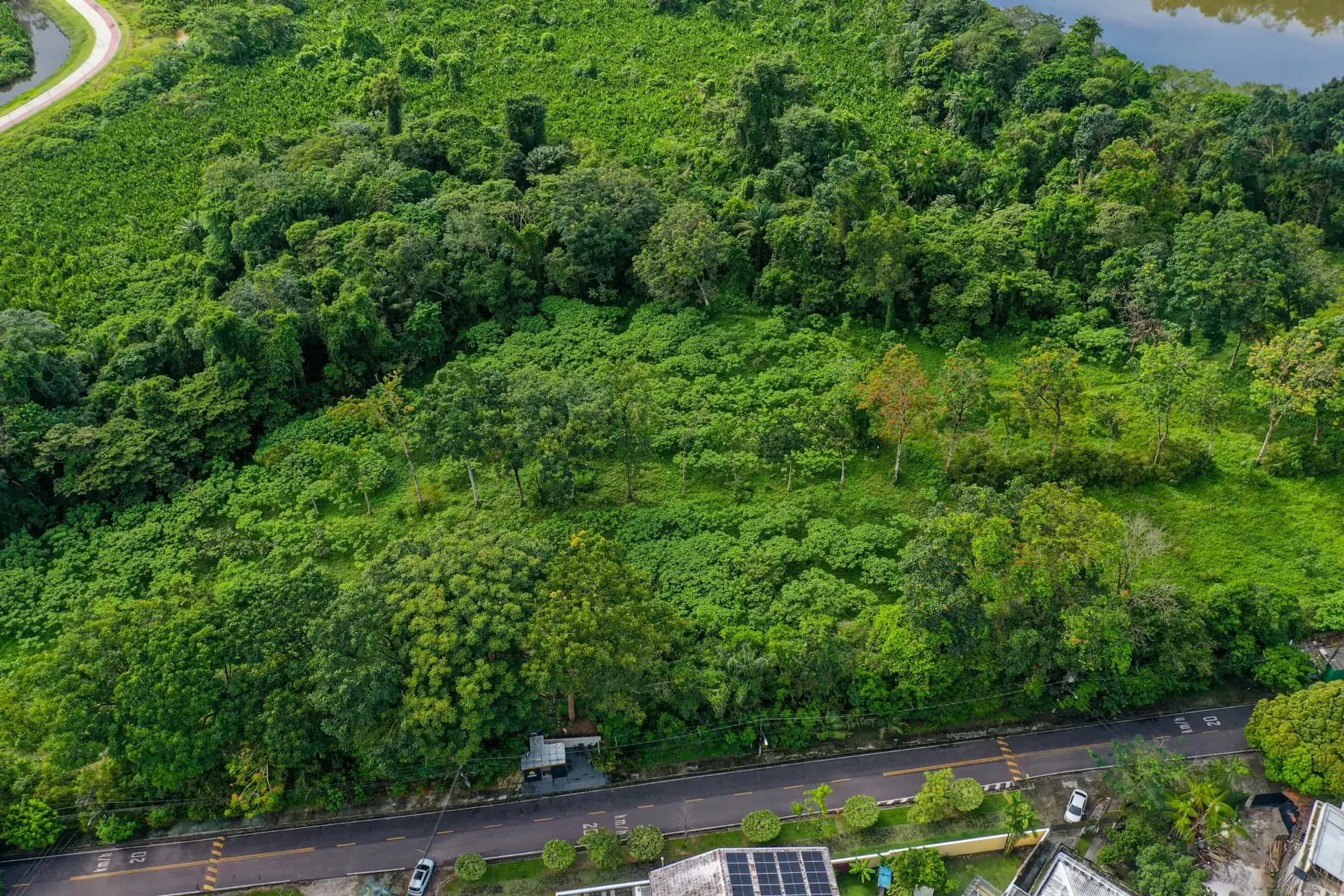
A post-mining rehabilitation site in the Amazon: from bare ground to continuous vegetation cover, accepted by the environmental authority after three years.
A carbon project at scale, in the client's words.
1,100 hectares to be regenerated with Future Climate Group in São Paulo, built for the carbon market.
Send us an area, get a go or no-go and the cost behind it.
One area and a boundary is enough. You get the read, the plan and the cost.