Post-mining rehabilitation
Hydro · Pará
Rebuilding soil where a bauxite mine left none.
On a former bauxite-mining front in the Amazon, in Pará, MORFO is running a legal rehabilitation obligation, a PRAD, on ground left as exposed mining sterile. The work reads the site by substrate, corrects the soil, and plants by drone where machines cannot go. It is a tracked rehabilitation trajectory, measured zone by zone, not a finished forest.
- Biome
- Amazon
- Size
- 50 ha
- Status
- Ongoing rehabilitation
The starting point was post-bauxite sterile with the look of lunar ground: exposed spoil, acidic, compacted, aluminium-toxic, almost no organic matter, and little capacity to hold vegetation. Within the front, about 24 hectares of exposed sterile contrasted sharply with strips where topsoil had been reapplied. Because the work sat inside an active mine, machine access was restricted by safety and terrain. Before anything could grow, the soil had to be rebuilt.
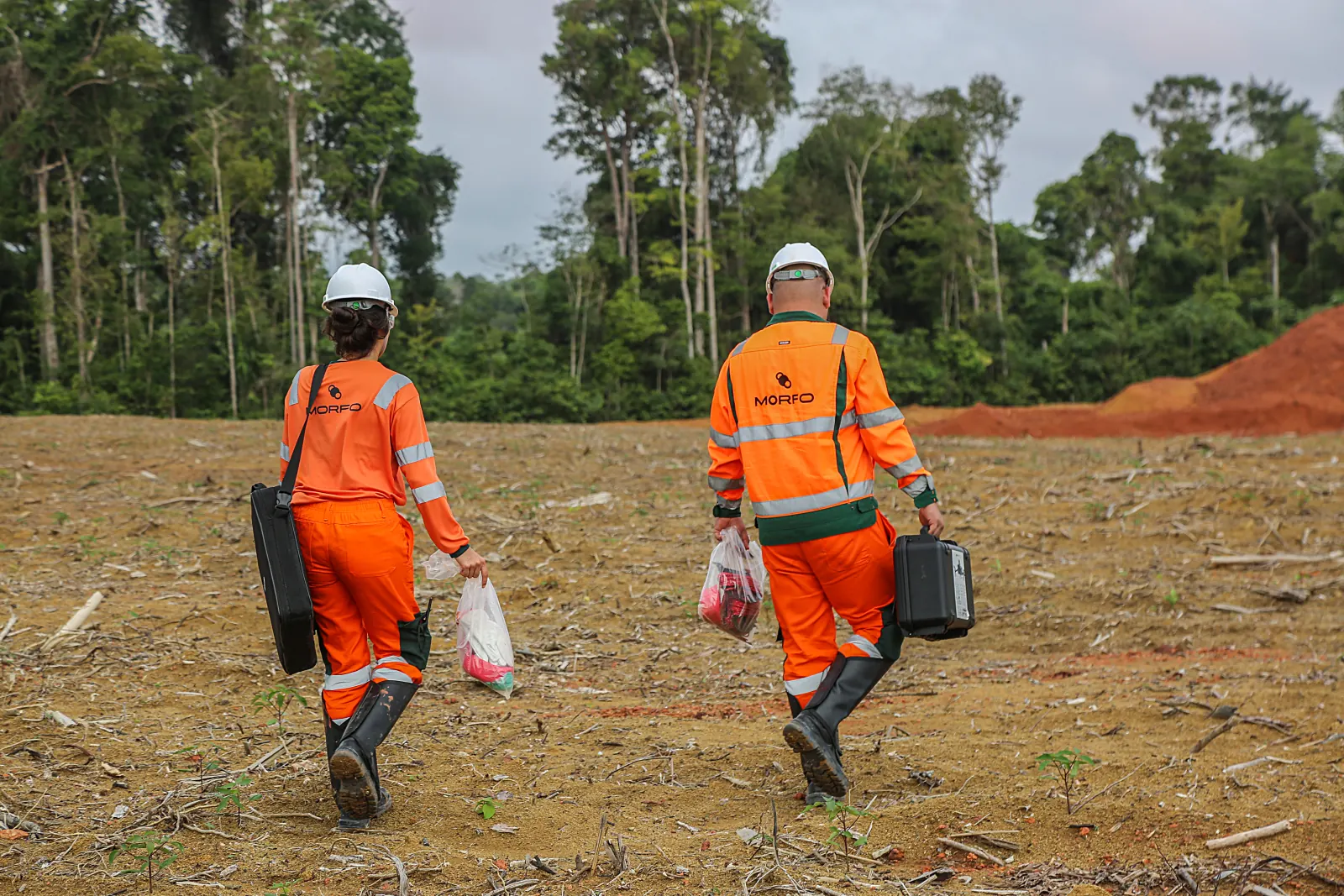
MORFO treated the front not as one site but as distinct substrate scenarios, and matched the intervention to each.
Diagnose
A Sentinel-2 satellite read, drone orthophotos, a field visit and soil sampling analysed with the Federal University of Viçosa. The front was read as reapplied topsoil, leveled sterile, and unleveled sterile and slopes, so the three were never treated as one soil.
Prescribe by substrate
Liming to neutralise the aluminium, cover species, tree seeds and capsules, combined to each strip's acidity, compaction and exposure.
Execute by drone
Because machines could not safely work the mine front, MORFO dispersed correctives, seeds and capsules from the air, scaling the operation with a DJI Agras T50 and more than 15 tonnes of inputs in one campaign.
Monitor and adjust
Georeferenced plots, orthophotos and reading by scenario, each campaign correcting the last.
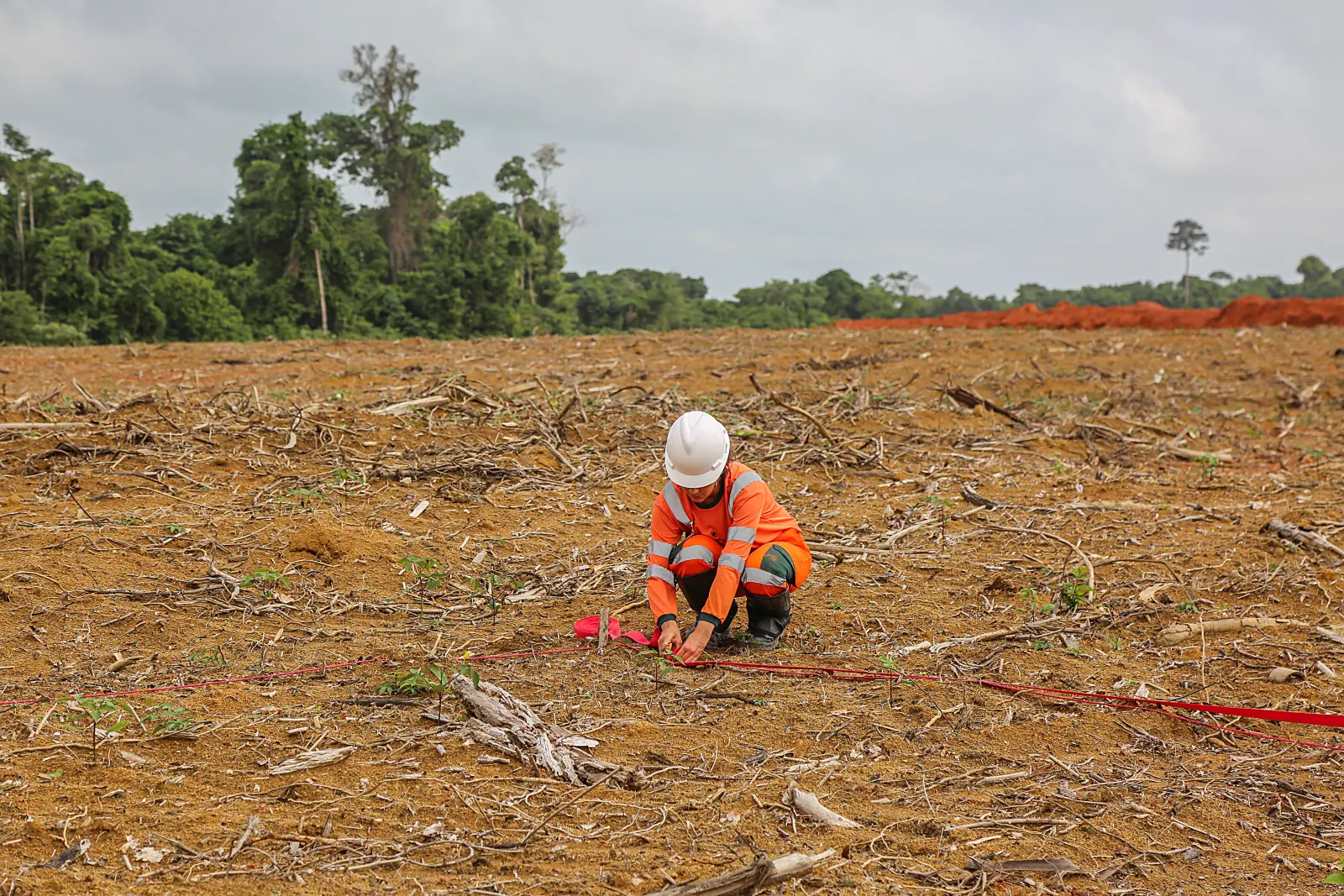
On hostile post-mining sterile, chemical correction and seeds are not enough on their own, the soil has to be decompacted and rebuilt. MORFO leads with fast cover species, like Stylosanthes and Crotalaria, to hold the soil, add organic matter, cool the surface and hold water, creating the conditions for trees to follow. Hardy natives adapted to the substrate, like the fava-de-bolota (Parkia platycephala) confirmed establishing on the bare sterile, anchor the next phase. The harder the substrate, the more cover comes first.
Jan 2024
Diagnosis. Substrate front characterised, three scenarios defined, technical baseline set.
Apr 2024
First seeding. Early planting revealed limited response on the bare sterile and marked the soil as the limiting factor.
Dec 2024
Second planting. Correction tests introduced, liming and slow-release fertiliser on paired plots.
Jan to Feb 2026
Third campaign. Cover and replanting at scale with the DJI Agras T50, priority on covering and correcting the sterile before diversifying.
Jun to Jul 2026Last updated
Closing monitoring, to convert cover indications into measured readings by strip.
The site is not a finished forest. It is a tracked rehabilitation trajectory, and the honest headline is that the substrate defines the pace.
- Where topsoil was present, vegetation established well; on bare sterile, progress is slower and needs the cover-first strategy.
- Soil correction and planting delivered by drone where machines could not go.
- The whole project tracked as a PRAD, with auditable evidence zone by zone.
- Hardy native species confirmed establishing directly on the sterile.
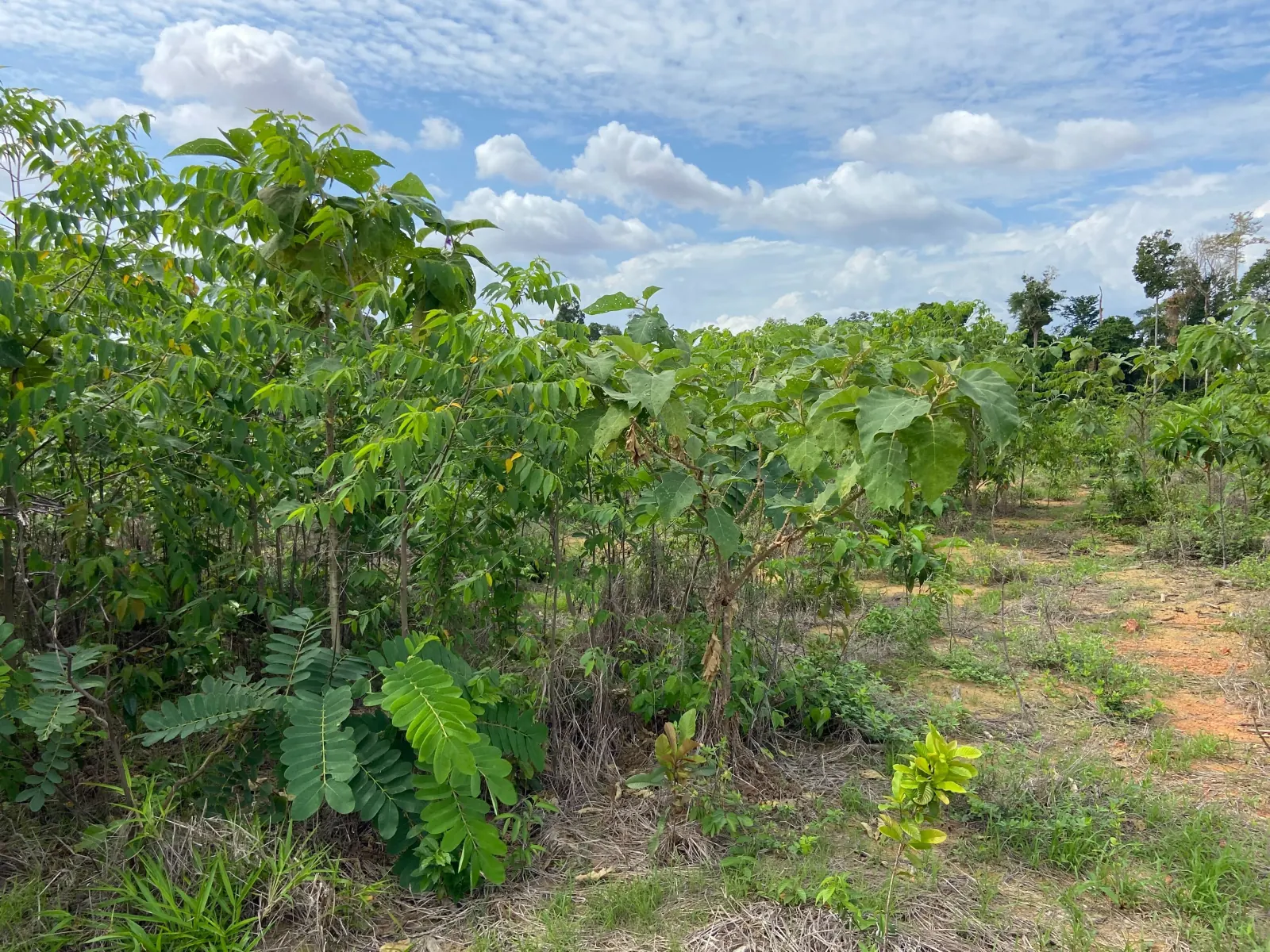
The soil baseline was analysed with the Federal University of Viçosa, and soil quality was read against a nearby mature-forest reference. Drone orthophotos and georeferenced plots track each zone over time. The team adopted a high mine-safety standard, which became part of the method on active industrial sites.
Cover readings on the sterile are early indications from a hard, slow substrate, to be confirmed by the closing monitoring. The case is read as a rehabilitation in progress, not a consolidated forest.
Hydro. Scientific support from the Federal University of Viçosa. Regulatory frame: a PRAD under Brazilian mining and forest law.
- Closing monitoring in 2026, measuring cover, survival and correction by strip.
- Continued cover and decompaction on the hardest sterile.
- Native enrichment once the cover stabilises, anchored on hardy species confirmed in the field.
Where the mine left sterile, the method rebuilds soil function, step by step.
Turn degraded land into a project that holds.
Send us an area. We will tell you if it is viable, and how.