Ecological-corridor restoration
Suzano · Mato Grosso do Sul
Restoring under heavy invasive-grass pressure, and proving where the method holds.
Suzano has committed to connecting 500,000 hectares of Cerrado, Atlantic Forest and Amazon through ecological corridors by 2030. This 19-hectare pilot in Mato Grosso do Sul tested whether drone-assisted restoration can hold quality and speed on degraded land with heavy invasive grass infestation. It can: where the full method was applied, a young canopy is closing, the invasive grass is losing ground and the land is starting to regenerate on its own.
- Biome
- Cerrado
- Size
- 19 ha
- Status
- Two planting campaigns done, monitoring ongoing
The site was Permanent Preservation Area inside the Cerrado, dominated by brachiaria, an aggressive invasive grass that smothers young seedlings before they can establish. The soil was sandy, acidic and low in organic matter. This is the hard case for restoration: seeding alone does not win against brachiaria, so the ground has to be prepared and the invasives managed before and after planting.
MORFO ran the pilot as a cycle: diagnose, execute, measure, adjust.
Diagnose the area
MORFO mapped cover and infestation by drone and satellite before any intervention.
Plant by direct seeding
Direct seeding by drone, with targeted soil preparation and slow-release fertiliser concentrated around the seeds to give natives an edge over the grass. Native Cerrado species, tolerant of aluminium and drought, weighted to pioneers that shade the soil.
Maintain and monitor
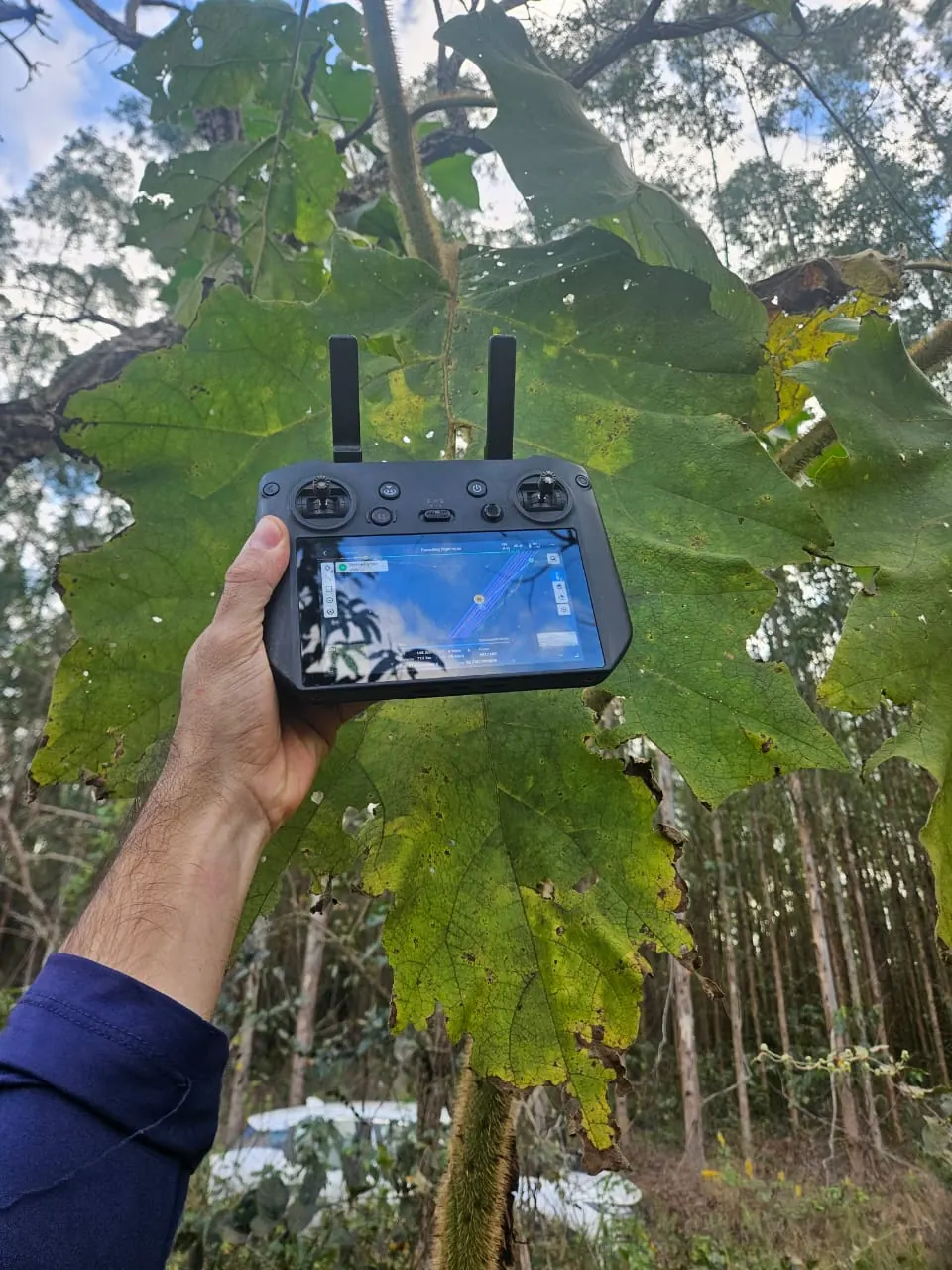
Directed weed control, orthophotos, georeferenced plots and traceable reports at each step.
Adjust at every reading
MORFO redesigned the second campaign from what the first one showed: planting in defined lines so weed control could be directed to the rows without touching the natives, making maintenance faster and cleaner.
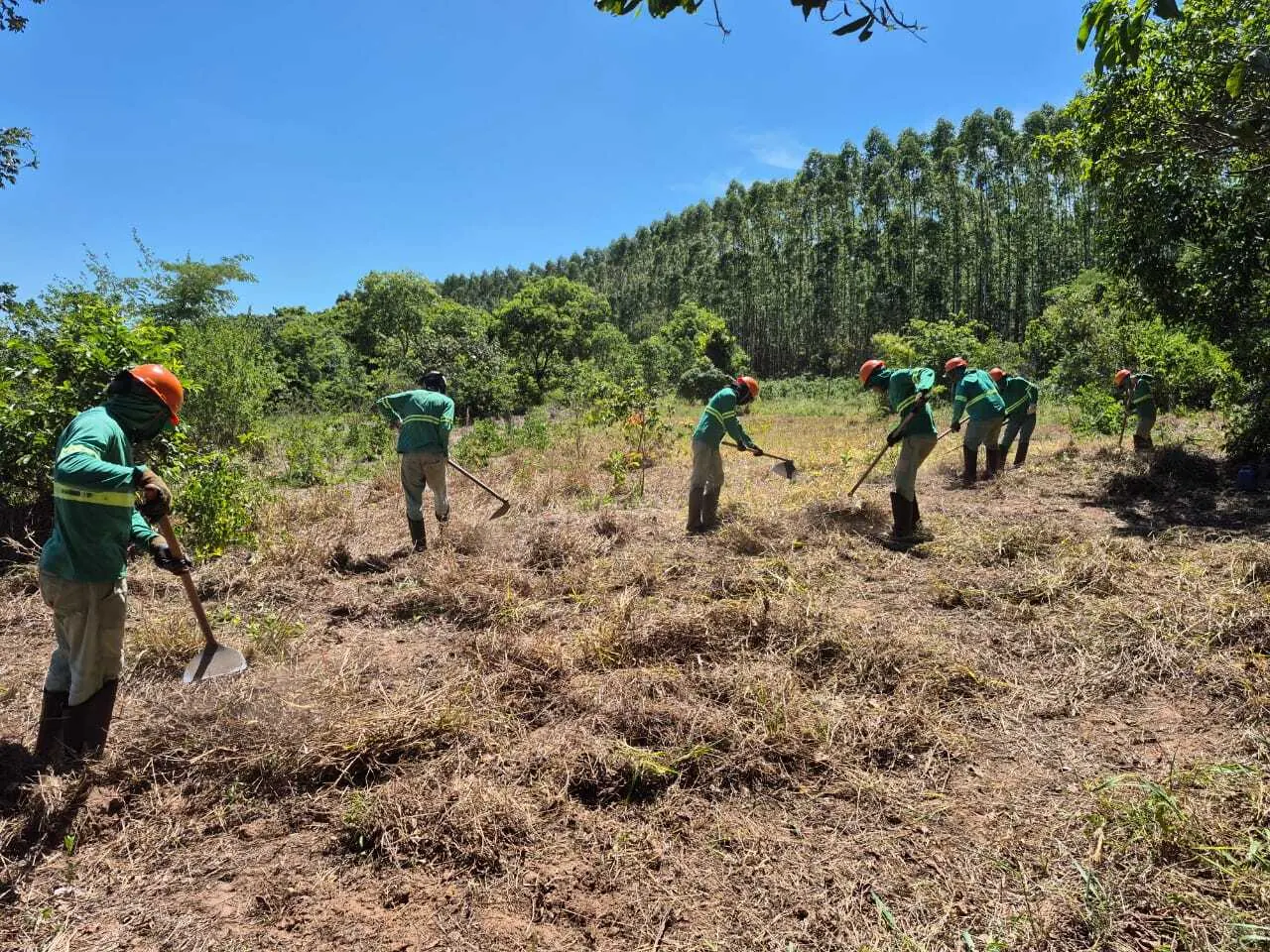
The pilot ran as two campaigns, and the second was redesigned from the evidence of the first. The first campaign broadcast seed across the whole area, but with no defined rows, weed control could not be directed without hitting the natives. So the second campaign switched to line planting, separating native rows from the inter-rows, which let MORFO apply selective herbicide and mowing exactly where needed, faster and fully traceable.
Dec 2024
Diagnosis across the three areas, field and drone.
Jan 2025
First campaign, direct seeding across the pilot, more than 40 native tree species plus cover species.
2025
Maintenance cycles, and a six-month reading that reset the strategy.
Dec 2025
Second campaign, redesigned: line planting and directed maintenance on the two responsive areas.
Jun 2026Last updated
Monitoring closing the first contract cycle.
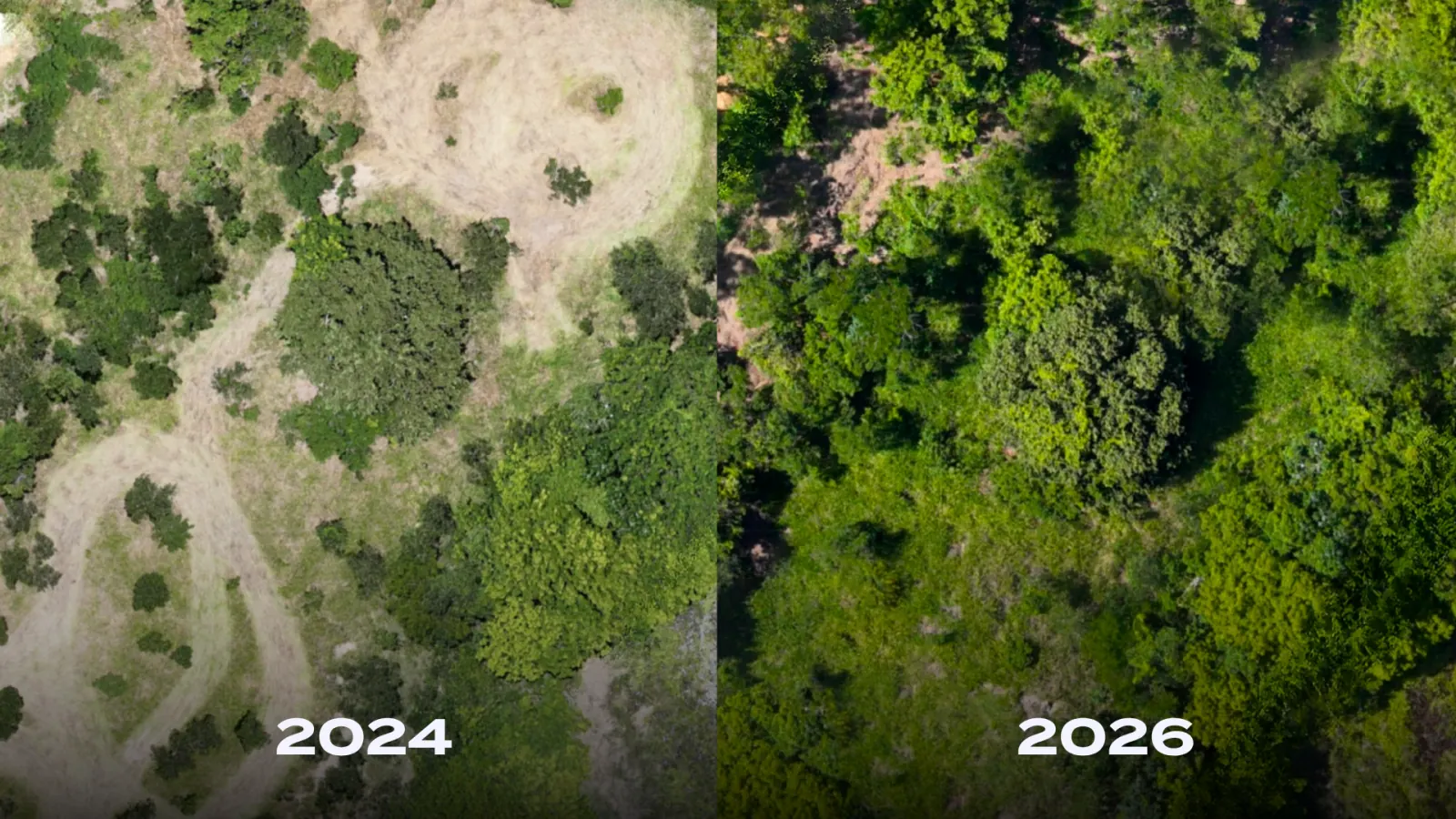
The clearest proof from the pilot is a visible line in the field: where the full method was applied, the canopy closes and regeneration sustains itself; where preparation or maintenance fell short, the grass comes back.
- Where the method matured, the forest-classed cover roughly doubled, and pioneers now form a canopy two to four metres tall that produces litter and holds back the brachiaria.
- Seedling density came in above the pilot's target of 1,000 to 1,500 per hectare in the monitored plots, with wide variation across the mosaic.
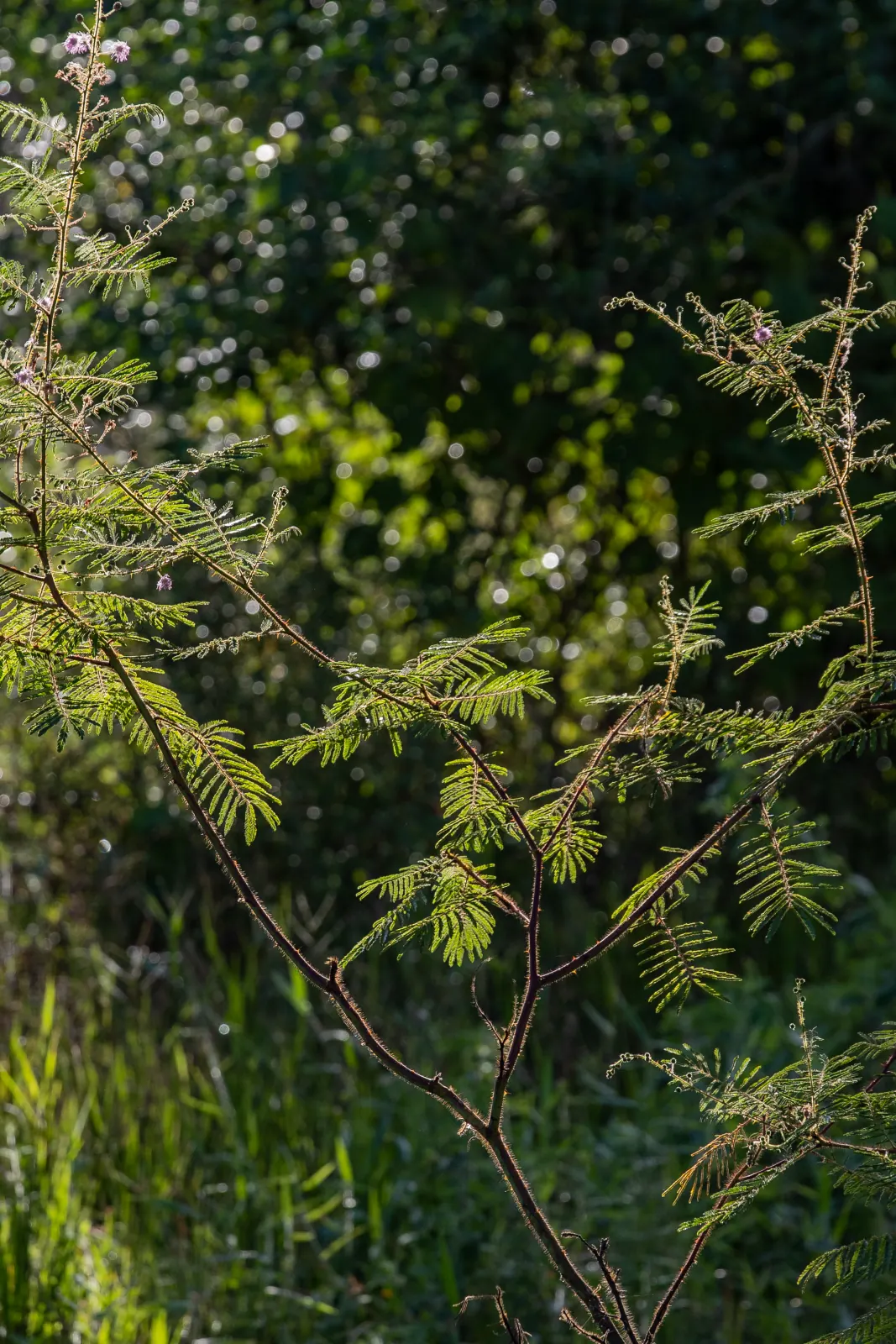
- Dozens of native species established, and spontaneous regeneration is now under way, with seedlings appearing on their own from the litter the young canopy produces.
- Wildlife is returning, with anteater tracks and leaf-cutter ant nests recorded.
Controlling invasive grass is a process, not a single event. This is early-stage regeneration, not a mature forest, and the result tracks the method, which is what a pilot is meant to show.
Georeferenced diagnosis and monitoring, a soil-quality read against a mature-forest reference, permanent plots and traceable technical reports, with adaptive management at every cycle.
Readings are stage-of-succession indications on a young pilot, not a claim of mature forest.
Run for Suzano, as part of its Commitment to Renewing Life, connecting 500,000 hectares of Cerrado, Atlantic Forest and Amazon through ecological corridors by 2030. Field cycles carried out with local teams.
- Continued directed maintenance, since invasive control is a process.
- On small, fragmented patches already taken by grass, seedling planting with nucleation to close the gaps faster.
The pilot fed direct lessons into Suzano's corridor programme: soil preparation is decisive, line planting makes maintenance controllable, and monitoring by area lets the protocol adjust as it scales.
Turn degraded land into a project that holds.
Send us an area. We will tell you if it is viable, and how.